Start a Shisa Nyama Business (From Plan to Opening)
Plan your market, permits, grill setup, suppliers, and cash flow before opening.
What a shisa nyama business offers
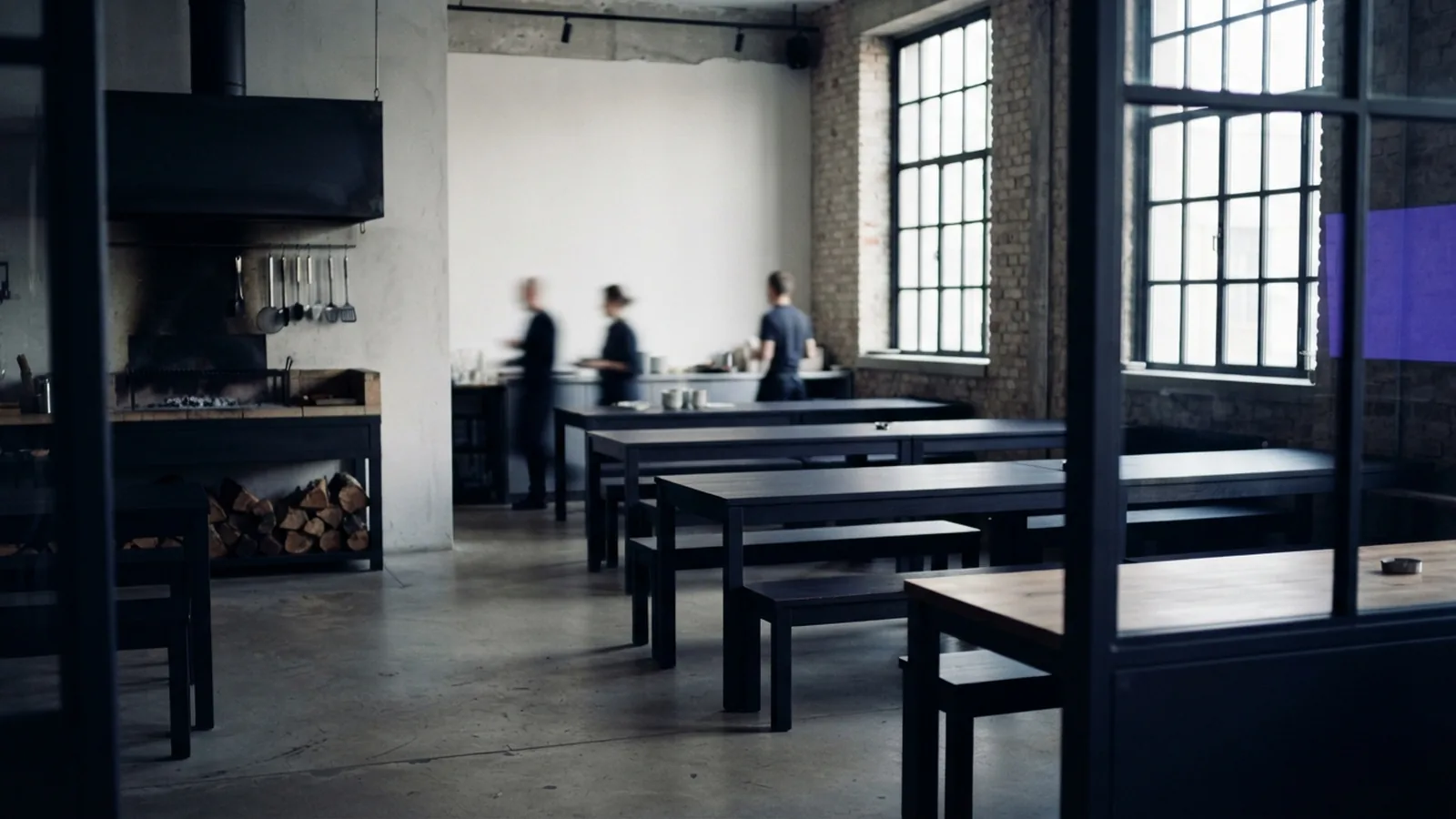
To start a shisa nyama business, choose a suitable site, check local food rules, price a focused menu, and plan your costs before you buy equipment. Shisa nyama means “burn meat” in isiZulu. It describes a South African way of enjoying grilled meat, often bought fresh and cooked on site.
The meal is only part of the draw. A shisa nyama can be a lively meeting place for friends, families, and local groups. Customers may come for weekend meals, music, sport, or a relaxed outdoor setting. Your business should reflect the local culture without assuming every neighborhood wants the same menu or atmosphere.
Decide what you will sell and how guests will order. Some sites pair a butcher counter with a grill, while others focus on ready-to-eat plates. Keep your first offer simple. A small menu is easier to cost, prepare, and serve well.
Research your customers and local market
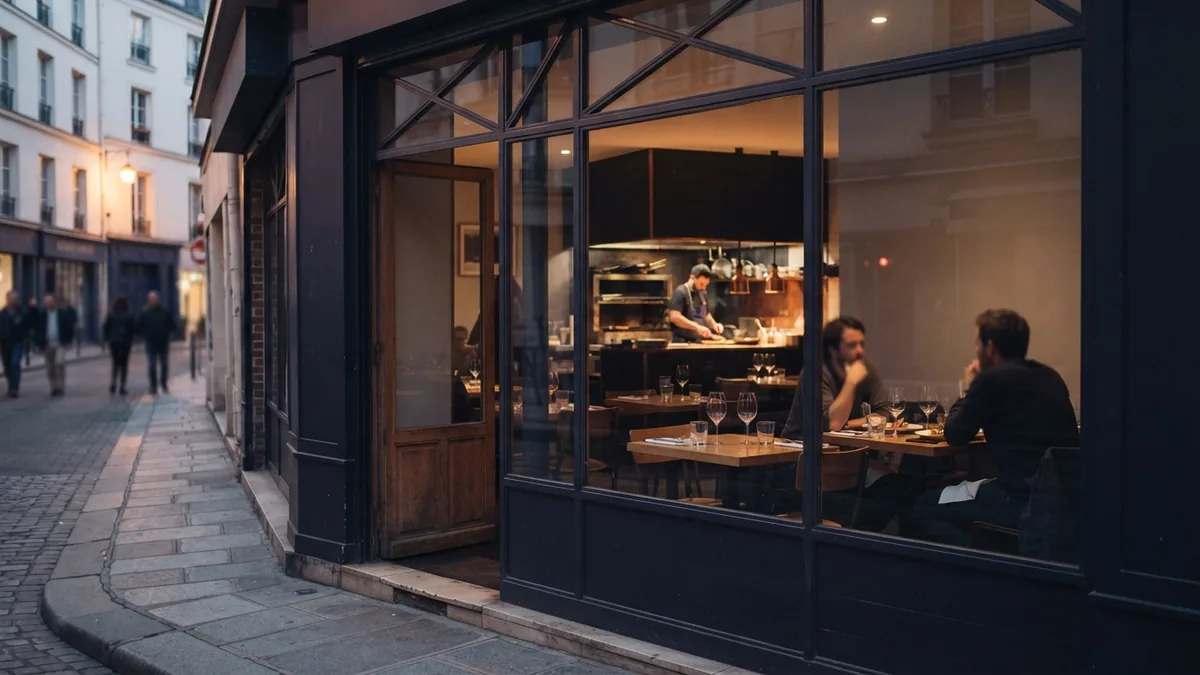
Visit possible trading areas at different times. Note foot traffic, nearby shops, transport links, parking, and competing food stalls. Watch what people buy, how long they wait, and which days bring the busiest trade. Ask nearby residents and workers what they would pay for a meal.
Your customers may include local families, workers seeking lunch, groups meeting after work, or visitors drawn to South African cuisine. Treat these as ideas to test, not fixed rules. A site near offices may need quick lunch plates. A neighborhood spot may do better with family portions and weekend trade.
Compare nearby prices and portion sizes. Ask whether customers prefer beef, chicken, boerewors, or meat combinations. Test interest in sides such as pap, chakalaka, and salads. A short survey or tasting day can reveal useful details before you commit to a lease.
- Count likely customers during lunch, evening, and weekend periods.
- Check what rival sellers offer, including prices and wait times.
- Ask people which dishes, sides, and serving sizes they want.
- Estimate sales for a quiet day as well as a busy one.
Use your findings to choose a clear customer group and a site that suits it. Do not rely on a busy road alone. Rent, safe access, water, waste removal, and permission to cook matter just as much.
Set up the business, site, and equipment
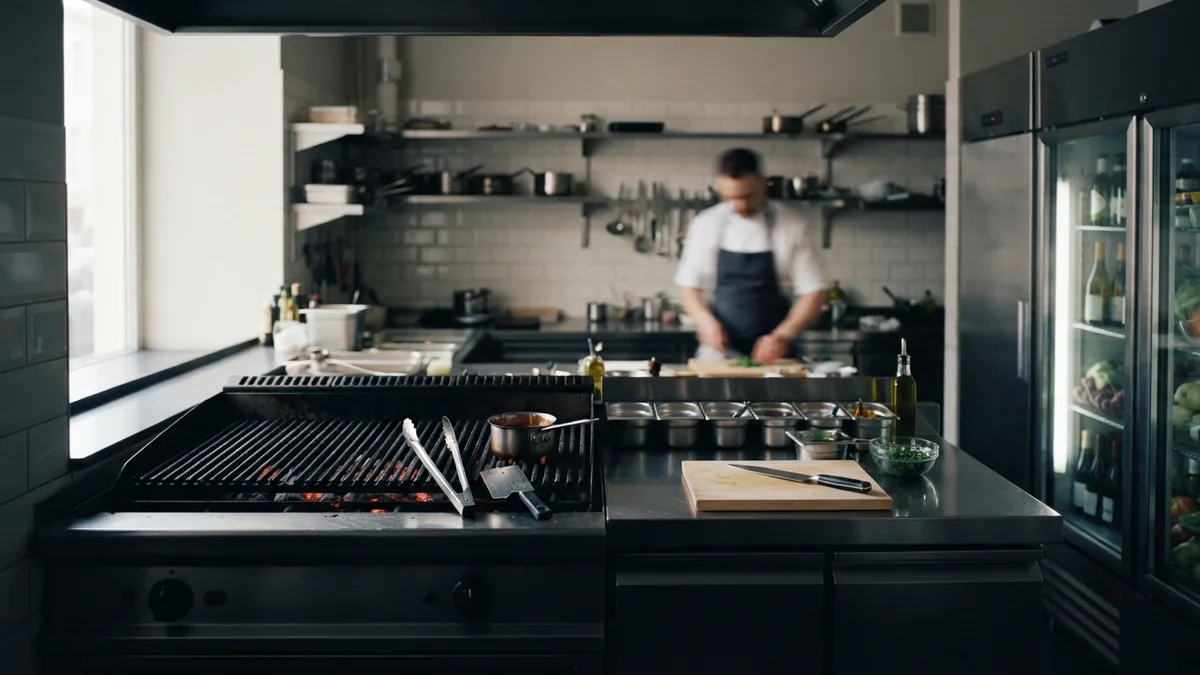
Pick a business structure and register the venture as local rules require. Requirements differ by country, city, and site. Contact your local council or food safety office before signing a lease. Ask about business permits, food premises approval, fire safety, waste rules, signage, and outdoor cooking.
Find out what food safety training or checks apply to owners and staff. Plan for clean handwashing, safe food storage, pest control, and separate tools for raw and cooked meat. Confirm that the site has enough power, water, drainage, ventilation, and room for deliveries. Get key terms in writing from your landlord.
Choose a site where customers can reach you safely and suppliers can unload. A visible frontage helps, but the space must also support smoke control and tidy queues. Check whether music, late hours, or outdoor seating need extra approval. The right setup prevents costly changes after opening.
Buy only the gear your menu and expected trade need. Start with dependable tools, then add capacity as sales grow.
- A commercial grill or braai suited to your fuel and output needs.
- Cold storage, food-safe prep tables, knives, and separate boards.
- Handwash and dishwash facilities that meet local rules.
- Thermometers, cleaning supplies, covered bins, and fire equipment.
- Serving trays, packaging, and a till or simple payment system.
Ask suppliers and local food officers which equipment standards apply. Keep invoices and service records. Build the layout so raw meat, cooked food, staff movement, and customer queues do not cross unnecessarily.
Source good meat and fresh ingredients
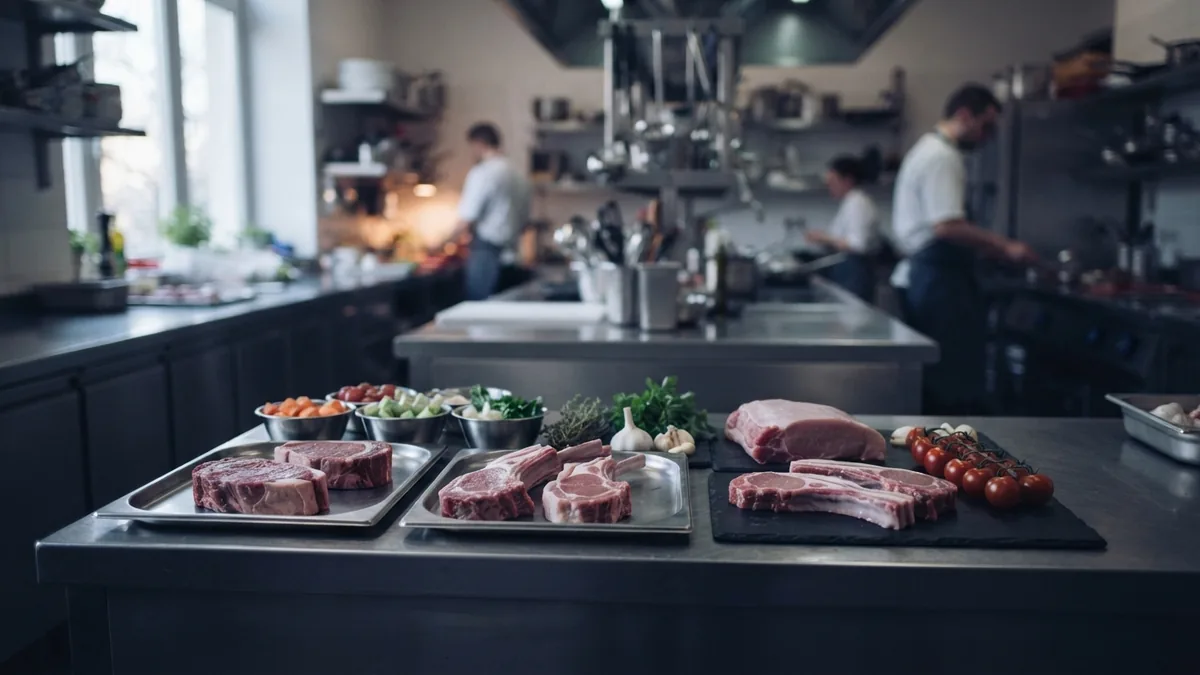
Quality starts with steady suppliers. Compare local butcheries, wholesalers, and farms on cut quality, price, delivery times, and food safety records. Ask how meat is stored and moved. Buy from suppliers who can provide clear invoices and consistent stock.
Test a few cuts before settling on your menu. Check how each cut tastes, cooks, and holds up during a busy service. Set portion sizes by weight, then record the cost of each plate. This helps you keep quality steady and avoid serving sizes that change with each cook.
Plan orders around expected sales, but leave room for demand shifts. Keep chilled meat cold and use it within safe time limits set by local rules. Store raw meat apart from ready-to-eat food. Track stock each day, and note waste, late deliveries, or quality issues.
Buy sides and seasonings from reliable local sources where possible. Fresh produce can add flavor and support a distinct local menu. Keep a backup supplier for key items. A missed delivery should not force you to close or serve food below your standard.
Market your shisa nyama to the community
Make it easy for nearby customers to understand what you serve, when you open, and how to find you. Use clear menus and current hours on channels your customers already use. Share real food and venue details, and answer questions promptly.
Build awareness with tasting days, local partnerships, and offers for nearby teams or groups. You could work with a sports club or community event, if the fit is right. Set a firm budget for each promotion. Track how many visits or orders it brings rather than judging it by likes.
Repeat visits matter more than a single opening rush. Keep service times fair, portions steady, and the space clean. Ask customers what they would change, then act on useful feedback. A simple loyalty offer can reward regulars without cutting too deeply into each sale.
Plan promotions around your actual capacity. A discount that brings more orders than your grill can handle may harm trust. Start with a small offer, measure demand, and expand only when staff and stock can meet it.
Manage money, staff, and daily operations
Write a startup budget before you spend. Include deposits, permits, fit-out work, equipment, opening stock, packaging, and marketing. Add working cash for rent, wages, utilities, and supplies. Keep a reserve for repairs or a slow first month.
Set menu prices from real costs. Add meat, sides, sauces, packaging, and payment fees for each dish. Then account for wages, rent, utilities, and waste. If a plate costs 80 rand to make and sells for 150 rand, the 70 rand difference is not pure profit; it must cover overheads.
Record sales and costs every day. Compare expected stock use with what remains, and look into large gaps. Separate business money from personal spending. A bookkeeper can help you set up records and tax tasks that fit your local rules.
| Daily task | Why it matters |
|---|---|
| Check stock and temperatures | Protects food quality and cuts waste |
| Count sales and payments | Shows cash flow and sales patterns |
| Clean work areas and tools | Supports safe, steady service |
Train staff on safe food handling, portion sizes, customer care, and opening and closing tasks. Use a short checklist for each shift. Clear roles reduce missed orders and help new staff learn the routine faster.
Tips for lasting success
Start at a scale you can manage. A focused menu, limited opening hours, or weekend trial can test demand before you take on high fixed costs. Keep notes on sales by dish and day. Drop items that sell poorly or create too much waste.
Protect the parts that bring people back: good food, fair portions, clean service, and a welcoming space. Handle complaints calmly and fix clear mistakes. Keep an eye on nearby prices and changing customer needs, but do not copy every trend.
Review your numbers each month. Check which dishes earn enough, whether supplier costs have changed, and when staff time is most useful. Make one or two changes at a time so you can see what works. A strong shisa nyama grows through repeat trade, sound controls, and a close link to its community.
Step-by-step
- 01 Test local demand
Visit target areas at different times and compare nearby food sellers. Ask likely customers about preferred dishes, prices, and serving sizes.
- 02 Check permits and site rules
Contact your local council or food safety office before signing a lease. Confirm food, fire, waste, and outdoor cooking rules.
- 03 Plan the menu and budget
Choose a small menu and cost each plate by portion. Include permits, rent, equipment, stock, staff, utilities, and reserve cash.
- 04 Set up the site and equipment
Arrange safe storage, prep, cooking, washing, and customer flow. Buy equipment that meets local rules and suits expected trade.
- 05 Secure suppliers and prepare to open
Test suppliers for quality and steady delivery. Train staff, check food safety routines, and promote your opening to nearby customers.
Frequently asked questions
- How do I start a shisa nyama business?
- Research local demand, choose a suitable site, and check permits before you sign a lease. Then plan a focused menu, source reliable meat, and budget for equipment and working costs.
- What permits do I need for a shisa nyama?
- Rules depend on your city and country. Ask the local council or food safety office about business registration, food premises approval, fire safety, waste handling, and outdoor cooking.
- What equipment does a shisa nyama need?
- Most setups need a suitable grill, cold storage, prep tables, food-safe tools, handwashing and dishwashing facilities, thermometers, cleaning supplies, and serving gear. Confirm local equipment rules before buying.
- How much does it cost to open a shisa nyama?
- Costs vary by site, rent, equipment, and local rules. Budget for permits, deposits, fit-out work, stock, wages, utilities, and a cash reserve before you set an opening date.
- How can a shisa nyama attract more customers?
- Use local partnerships, tastings, clear hours, and current menus on channels your customers use. Strong food quality, fair portions, and reliable service help turn first-time guests into regulars.
Related reading

Start an Ukay-Ukay Business in the Philippines (Step by Step)
Plan your market, legal setup, stock, shop, and sales before opening.

Start a Plastic Injection Molding Business (From Plan to First Run)
Plan your market, machines, molds, materials, and first production run.

Private Branding (How Retailers Build Their Own Products)
See how retailers create their own products and brands.