What Does Consulting Mean? Roles, Services, and Career Paths
Learn what consulting means, how it works, and where it can lead.

Was bedeutet Consulting? Eine klare Definition
Was bedeutet consulting? Consulting means expert advice that helps a business solve a clear problem.
The consulting definition covers analysis, planning, and support during change. A consultant studies facts, gives advice, and helps the client act.
This work can cover strategy, IT, human resources, finance, sales, or operations. The goal stays simple. The client should make better choices and get useful results.
Consulting services may last one day or several years. A small firm may need a pricing plan. A large firm may need help with a new data system.
Consulting is not the same as selling a ready-made product. The consultant first learns the client’s needs. Then the consultant shapes the work around those needs.
The Role of a Consultant in Business
The consultant role starts with discovery. The consultant asks questions, checks data, and speaks with key staff.
This work helps reveal the real cause behind a stated problem. A sales drop may come from weak pricing. It may also come from poor follow-up.
- Define the business problem and agree on the desired result
- Review data, costs, risks, and current work methods
- Compare options and set clear steps for action
- Track results and adjust the plan when needed
A consultant then turns findings into practical business solutions. These may include a growth plan, staff training, or new work rules.
Good advice must fit the client’s budget, skills, and goals. A strong consultant also explains each choice in plain language.
The consultant does not simply hand over a report. The consultant supports leaders when teams face doubt or pushback.
Types of Consulting Services
Consulting services often match a business need or a certain field. Strategy consultants help leaders choose markets, products, and growth plans.
Management consultants may improve team structure, costs, or daily work. IT consultants review software, data, cyber risk, and digital tools.
Human resource consultants help with hiring, pay, training, and team design. Financial consultants support budgets, forecasts, cash flow, and risk checks.
| Consulting field | Typical work |
|---|---|
| Strategy | Market plans, growth choices, and long-term goals |
| IT | System choices, data plans, and cyber risk |
| Human resources | Hiring plans, pay systems, and staff development |
| Finance | Budgets, forecasts, cash flow, and risk review |
| Operations | Process design, supply chains, and cost control |
External consultancy brings an outside team for a set project. In-house consulting uses a team employed by the same company.
External teams can offer a wider view and rare skills. In-house teams know the company’s culture and systems better.
Two related terms often appear in business plans. Was bedeutet CRM? CRM means customer relationship management. It covers tools and methods for managing customer data and contact.
Was bedeutet outsourcing? Outsourcing means giving a business task to an outside provider. Consulting may help a firm decide whether outsourcing fits its cost, risk, and skill needs.
These terms are not the same as consulting. CRM is a business tool and work method. Outsourcing is a sourcing choice. A consultant can advise on either topic.
How the Consulting Process Works
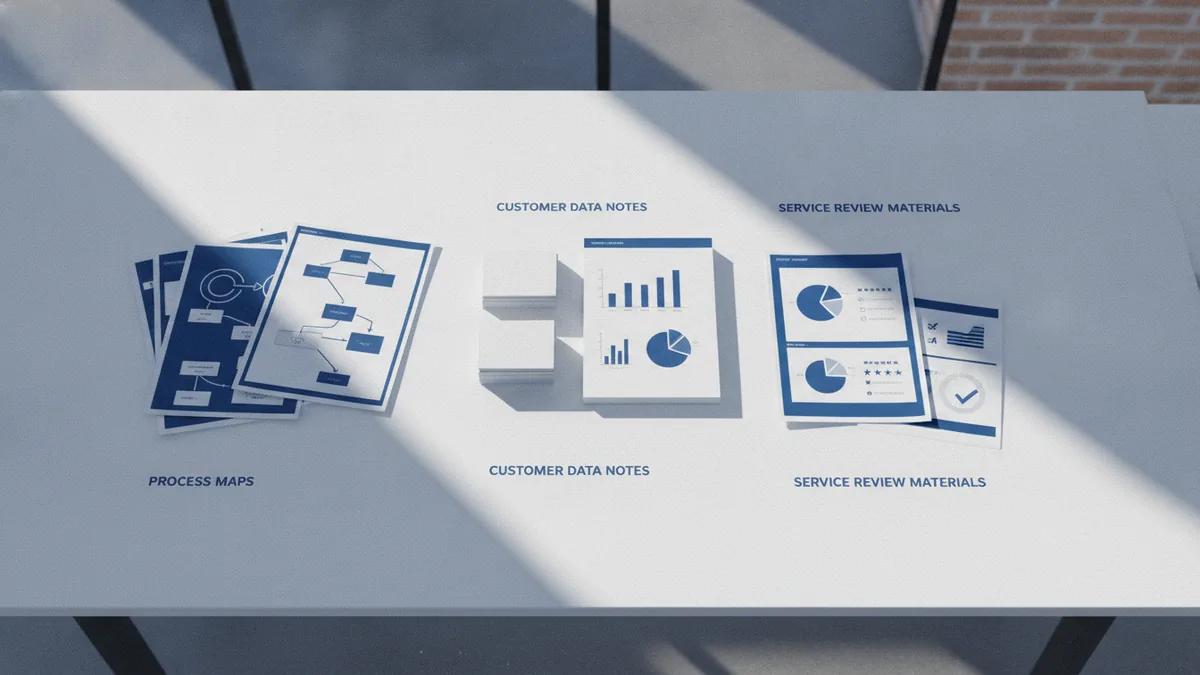
The consulting process often begins with a short discovery phase. The client and consultant agree on the problem, scope, timing, and success measures.
A written brief prevents costly confusion later. It should name the work, key limits, and the people who will make choices.
Next comes business analysis. The consultant reviews records, interviews staff, maps work steps, and tests key claims.
- Set the goal: Define the issue and choose a clear result.
- Gather facts: Review data, documents, costs, and staff views.
- Find the cause: Separate surface symptoms from deeper issues.
- Build options: Compare plans by cost, risk, time, and likely gain.
- Act on the plan: Assign owners, deadlines, and needed resources.
- Check the result: Track agreed measures and fix weak spots.
A good plan names the owner for each task. It also sets a date for each key action.
For example, a sales project might target ten percent more qualified leads. The target could apply within six months.
Implementation can be the hardest stage. Staff may need training, new tools, or changes in daily work.
The consultant should help leaders explain the reason for change. The team should then measure progress at set times.

Skills Required for Consulting
Analytical thinking sits at the heart of consulting work. Consultants must sort useful facts from noise.
They need to spot patterns without rushing to a weak conclusion. They also need to test ideas against real business results.
Communication matters just as much. A consultant may explain a hard issue to a board in the morning.
The same consultant may teach a front-line team that afternoon. Each group needs clear words and useful examples.
- Problem solving: Break large issues into smaller, testable parts.
- Clear writing: Turn findings into short, useful reports.
- Listening: Hear concerns that data alone may miss.
- Project control: Manage time, tasks, budgets, and risks.
- Industry knowledge: Understand the client’s market and daily work.
- Team skills: Build trust across roles and seniority levels.
Consultants also need sound judgment. A plan that looks good on paper may fail in daily work.
Strong consultants ask what the client can truly deliver. They set steps that match staff time, cash, and tools.
Career Opportunities in Consulting
Consulting offers many career paths. New graduates may start as analysts or junior consultants.
They often gather data, build reports, and support client meetings. With more experience, they may lead workstreams or manage projects.
Many firms hire people with degrees in business, finance, IT, engineering, or social science. The right background depends on the field.
Practical skill also matters. A strong candidate can show clear thinking, good writing, and sound work with data.
- Business and management consulting
- Technology and data consulting
- Financial and risk consulting
- Human resource and change consulting
- Operations and supply chain consulting
- Independent consulting for a focused niche
Professional growth does not stop after the first job. Consultants must learn new tools, rules, and market shifts.
Many build expertise in one sector. Others become broad advisers for several business needs.

Trends and the Future of Consulting
The consulting industry keeps growing and becoming more focused. Clients now seek deep knowledge in areas such as data, cyber risk, and climate work.
Digital tools also change how consultants work. Remote meetings can bring experts into projects from many regions.
Automation can speed up data checks and routine reports. Human judgment still matters for trade-offs, trust, and change.
Clients also ask for clearer proof of value. They want useful results, not long reports with no owner.
This shift favors consultants who connect advice with action. It also rewards people who can explain hard topics in simple terms.
Consulting will likely remain a mix of expert advice and hands-on support. The strongest teams will know when to bring in outside skills.
They will also help clients build lasting skills inside the business. That balance can make change faster and more durable.
How to Choose a Consulting Partner
Start by writing the problem in one clear sentence. Then list the result, time frame, budget, and limits.
Ask each firm for relevant case work and a plain project plan. Check who will do the daily work, not only who leads the pitch.
Good questions can reveal fit before the project starts. They also help prevent unclear costs and weak handoffs.
- What similar problem have you solved?
- Which staff will work on our project?
- How will you measure progress?
- What risks could slow the work?
- What will our team need to own?
The best choice is not always the largest firm. It is the partner with the right skills, pace, and working style.
Frequently asked questions
- Was bedeutet Consulting?
- Consulting means expert advice for a clear business problem. It can include analysis, planning, and help with change.
- Was bedeutet CRM?
- CRM means customer relationship management. It covers tools and methods for managing customer data and contact.
- Was bedeutet Outsourcing?
- Outsourcing means giving a business task to an outside provider. Firms may outsource work to cut costs or gain skills.
- What types of consulting services exist?
- Consultants can work in strategy, IT, finance, human resources, and operations. Some focus on one sector or business tool.
- What skills do consultants need?
- Many roles need a degree in business, finance, IT, engineering, or social science. Clear thinking and strong communication also matter.
- What are common consulting career opportunities?
- Consulting offers analyst, project lead, specialist, partner, and independent work. Ongoing learning helps consultants stay useful.
Related reading

Consulting Jobs — Roles, Skills, and How to Get Started
See what consultants do, which skills matter, and how to enter the field.

Build Stronger Business Relationships Through Networking
Make business networking more useful, natural, and lasting.

What CRM Means for Business, Sales, and Marketing
See how CRM tools bring customer details and team work together.