How to Start a Nail Polish Business: A Practical Launch Guide
A practical guide to starting your nail polish business, from niche to launch testing.
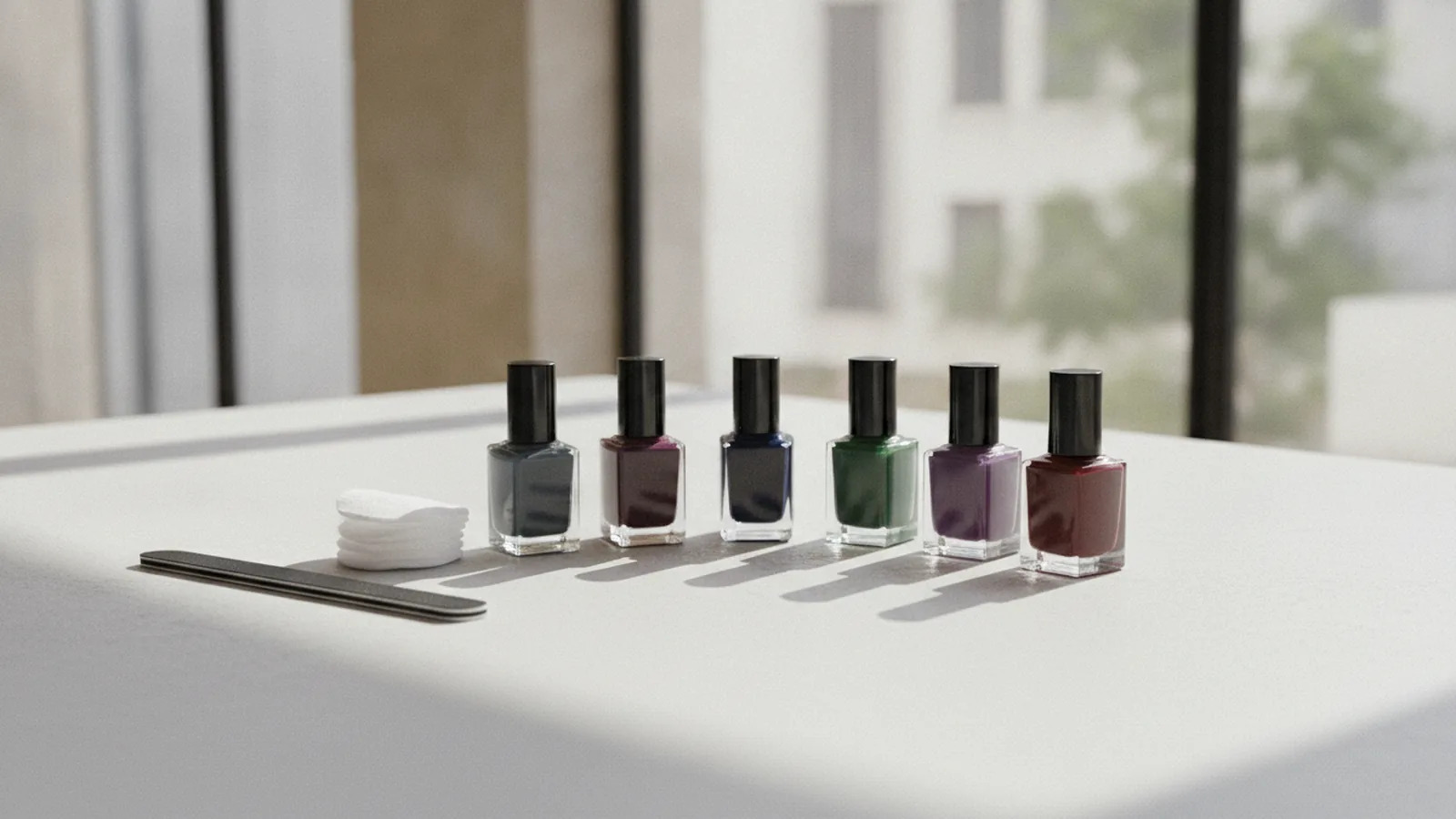
Introduction to a nail polish business
If you’re wondering how to start nail polish business, the short answer is this: pick a clear niche, build a brand customers recognize, then design a line you can prove is safe and consistent. You also need a tight plan for product sourcing and launch marketing, because polish is a repeat-purchase category. Many founders underestimate the “behind the bottle” work. They then scramble later on packaging, shelf labels, and quality checks.
This guide walks you through the essential steps, from nail polish market analysis to pre-launch testing. You’ll get practical choices to make, like whether to focus on eco-friendly formulas or high-gloss gel-style finishes. You’ll also learn how to think about customer engagement strategies that feel natural on nail art platforms.
Start with one realistic goal: launch a small first collection with strong differentiators. A focused line reduces testing costs and makes feedback easier to apply. It also lets you stock fewer shades while you learn what sells fastest.
- Choose a niche before you choose colors.
- Build brand assets you can reuse across channels.
- Test quality and safety before you sell.
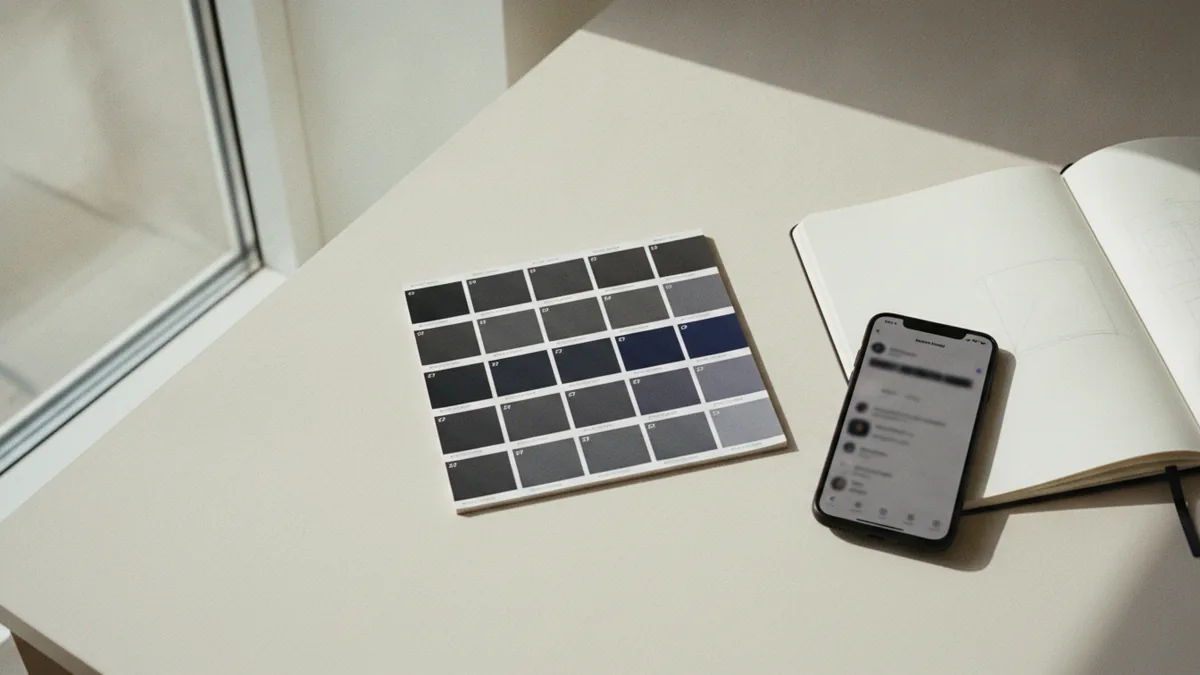
Identifying your niche market
Nail polish is crowded, but the demand is still diverse. Your job is not to “enter nail polish.” Your job is to enter a specific lane that matches buyer needs. Start with nail polish market analysis for where buyers spend time online and what finishes trend right now. Look at what nail art trends creators repeatedly use, then note the gaps in availability.
Pay attention to your target audience’s motivations. Some buyers choose for performance, like chip resistance and high color payoff. Others choose for values, like sustainability in beauty or vegan options. Some want budget-friendly palettes with frequent new releases. Your niche can be one driver or a mix, but it must stay consistent.
Here are common niche directions you can evaluate. Pick the one that you can support with product design and marketing messages.
- Eco-friendly or low-impact formulations for buyers who care about sustainability in beauty.
- Vegan nail polish for shoppers who avoid animal-derived ingredients.
- Health-conscious wear with gentler ingredient positioning and careful testing.
- Pro-level finishes for high pigment and salon-like shine.
- Trend-led shade drops inspired by seasonal nail art trends.
Research target audience size using practical signals. Review social content volume, but also look at search intent like “vegan nail polish [city]” or “non-toxic nail polish.” Then validate with small experiments. You can run a landing page with two or three concept options. Track email signups and pre-order interest, then commit to the direction with the clearest pull.
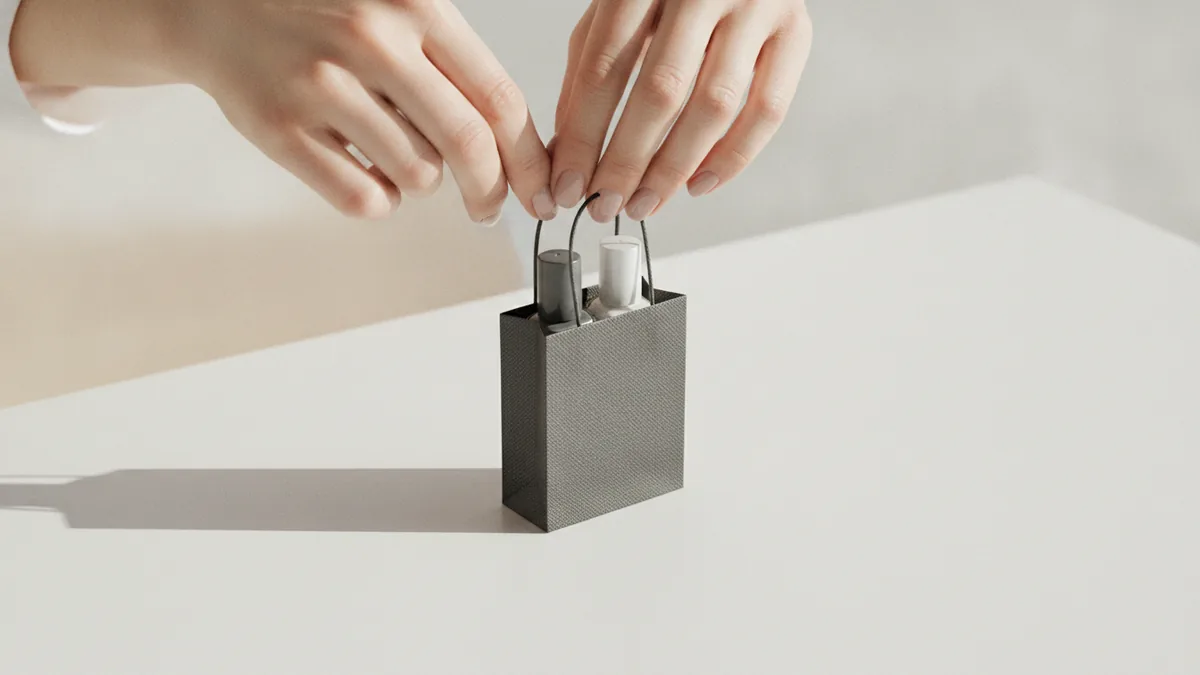
Creating a brand identity that sells
Branding for cosmetics is more than a logo. It’s what customers expect before they even open the bottle. When you’re learning how to start your own nail polish business, treat your brand identity like a system that covers design, messaging, and customer experience. A strong system keeps you consistent across online retail platforms, social posts, and packaging.
Your brand identity needs three visible layers. First is your logo, which must work on small surfaces like sticker labels. Second is packaging, including bottle shape, cap color, and box style. Third is brand voice, which should match how your audience talks about nails. If your buyers use creator-style phrases, your captions should too.
Concrete decisions help. Choose 2–3 brand colors for your visuals. Use one font family for product labels and another for your website. Write a simple brand story that explains why the brand exists, not just what it sells. Then create a “voice guide” with example phrases for product launches and customer support.
| Brand element | What to decide | Example for a polish brand |
|---|---|---|
| Logo | Style, colors, and size rules | Minimal mark that stays readable on 1-inch labels |
| Packaging | Bottle finish and label layout | Matte box with glossy foil on the brand mark |
| Brand voice | Words and tone for captions | Playful, precise, and friendly for nail art tutorials |
Don’t forget the little stuff. Consistent naming for shades helps customers reorder easily. If you use finish language like “glass shine” or “velvet matte,” define those terms so labels stay clear. This also improves customer engagement strategies, since creators can describe your products more accurately.
Sourcing ingredients and packaging suppliers
Reliable product sourcing is one of the highest-leverage parts of launching. You need suppliers for both raw materials and packaging, and you need them early. Start by mapping your bill of materials. List everything that goes into the formula and every item that touches the product, including bottles, caps, liners, and outer boxes.
When you select ingredient suppliers, look for consistency and documentation. You want clear specs, batch testing availability, and stable lead times. If a supplier can’t share ingredient details or has unclear quality processes, that increases your risk at launch. Packaging suppliers matter just as much. A beautiful bottle is useless if labels peel or caps leak during shipping.
For many founders, the most time-consuming part is aligning lead times. For example, if your bottles arrive two weeks late, you may end up stuck without inventory. Plan backward from your target launch date. Then add buffer. A common approach is 6–10 weeks of lead time for initial sample runs, plus extra time for label and printing.
Use a simple supplier qualification checklist. It keeps decisions objective and prevents “it seems fine” choices.
- Request samples of both formula components and finished packaging.
- Check consistency across batches, not just one shipment.
- Confirm minimum order quantities and pricing tiers.
- Ask about testing support for safety and stability claims.
- Review packaging durability with drop and shake tests.
Also consider logistics for online retail. If you sell direct-to-consumer, bottle integrity during mail transit is critical. Build testing into your product plan so you can fix issues before you scale.
Designing your product line for variety and repeat sales
Product design is where your niche becomes real. When customers pick nail polish, they judge color accuracy, coverage, finish, and wear. For a first collection, focus on a tight set of hero shades and finishes that support your brand story. Include a mix of best-practice categories, like a few core nudes, a couple of statement colors, and at least one special finish.
Many new brands fail by trying to ship too many shades at once. A smaller first run improves testing speed and helps you learn demand. Aim for a range that feels intentional. For example, you can launch with 6–10 shades if your formula is stable and your color matching process is consistent. If you want multiple finishes, keep them to one or two variations per launch cycle.
Plan the lineup based on customer behavior. Some buyers want nail art trends friendly shades, like glitter toppers or easy-to-layer pigments. Others want full coverage that needs fewer coats. Build your product descriptions around these needs so customers know what to expect.
- Color range: neutrals, bolds, and seasonal accents.
- Finish mix: glossy, matte, shimmer, or topper effects.
- Wear promise: define what “long wear” means in testing.
- Layering: specify opacity for quick at-home use.
Before you finalize labels and store pages, test real application. You want the formula to perform with standard brush technique, not just in a controlled lab setting. Also test for stability over time. Many founders discover formula separation or viscosity drift after storage. Catch those issues early so customers don’t experience inconsistent results.
Marketing strategies for launch
Marketing for a nail polish brand is most effective when it starts before you have full inventory. When you’re figuring out how to start a nail polish business, your launch should be built around customer engagement strategies, not just announcements. Use social media for education and entertainment. Show application steps, shade swatches, and wear tests. Then connect that content to a clear next action, like joining an email list or reserving a first drop.
Influencer partnerships can work, but you should choose creators who match your niche. If your brand is vegan, find creators who already discuss ingredient choices. If your brand is eco-friendly, partner with creators who show low-waste routines. Start with small collaborations. A set of 10–30 micro-creators can outperform one large account, especially for conversion rate.
Here’s a practical launch plan timeline you can adapt.
| Launch phase | Goal | What to publish |
|---|---|---|
| 2–4 weeks before | Build early interest | Teasers of shades, bottle design, behind-the-scenes mixing |
| Launch week | Drive purchases | Swatches, tutorials, first-week offer, creator posts |
| Weeks 2–6 | Convert and retain | Wear tests, restock alerts, customer highlight content |
Don’t skip online retail platforms. Your product page should include application tips, finish descriptions, and clear shade naming. A customer should be able to choose a polish without messaging you first. If you sell in batches, show inventory timing clearly to prevent frustration.
Track what works. Measure email signups, add-to-cart rate, and repeat intent. Then adjust your next shade drop based on which finishes generate the most saves and purchases.
Conclusion and next steps
To start a nail polish business successfully, you need a simple but disciplined process. Nail polish market analysis helps you choose a niche. Branding for cosmetics helps you look and sound like a real brand, not a one-off product. Product sourcing helps you deliver consistent quality with sane lead times.
Your next steps should be concrete. Finalize your niche, then pick your first 6–10 shade targets and finishes. Secure ingredient and packaging supplier samples. Then build your testing plan for quality and safety, including wear, stability, and shipping durability. Finally, create a launch calendar that mixes education content with creator partnerships.
If you move in that order, you reduce costly rewrites. Your first launch becomes a learning cycle, not a gamble. And every month after that, your catalog and customer base can grow with less uncertainty.
- Choose niche → brand identity → supplier samples.
- Design a focused first collection with testable claims.
- Launch with social proof and creator content.
- Test quality and safety before you sell widely.
Frequently asked questions
- How do I start a nail polish business from scratch?
- Start by choosing a niche, then plan your first small shade collection. Build your brand identity, secure suppliers, and run quality and safety testing before launch.
- What niche should I choose for my nail polish brand?
- Pick a lane you can support with product design and messaging. Options include eco-friendly formulas, vegan options, or pro-level finishes for salon-like wear.
- Where do nail polish brands source ingredients and packaging?
- Most brands work with specialized suppliers for formula components and for bottles, caps, and boxes. Request samples and confirm lead times before you commit to production.
- How many nail polish shades should I launch with?
- For most new brands, 6–10 shades is a practical first run. Keep a tight finish mix so you can test and improve before scaling.
- How do I test nail polish quality and safety before selling?
- Run wear tests, check formula stability over storage time, and test packaging durability in shipping. Ask suppliers what testing support they provide, then document your results.
- What marketing strategies work best for a new nail polish brand?
- Publish application tutorials and swatches, then partner with creators who fit your niche. Use a pre-launch email list and clear product pages on your online retail platform.
Related reading
Start a Mobile Drug Testing Business (Without a Lab)
Build a mobile testing service with sound training, lab links, and clear pricing.

Start a Business with a Problem Worth Solving
Turn a useful idea into a business with clear steps, sound research, and steady resolve.

Loft Conversion Timelines — What Affects the Build
Typical build times range from four to twelve weeks, plus planning and setup.