How to Start a Tactical Gear Business: A Tactical Gear Business Guide
A practical tactical gear business guide: demand, products, models, and marketing steps.
Understanding the tactical gear market
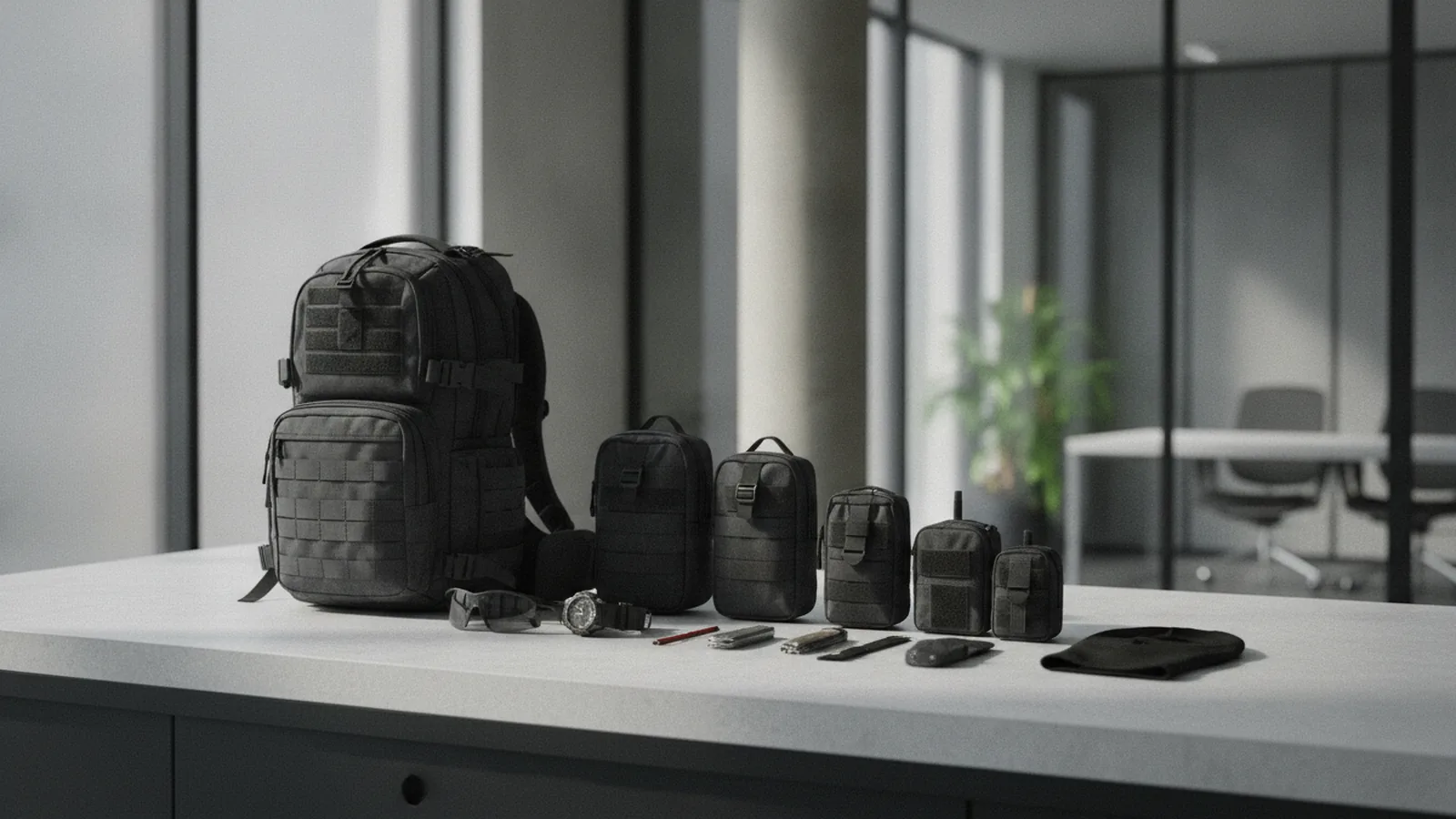
If you want to know how to start a tactical gear business, start with demand. Tactical gear sells year-round because it spans multiple use cases. That includes military and law enforcement needs, plus civilians who train, travel, and take part in outdoor recreation.
You will see demand across many demographics. Veterans often buy to stay ready after service. Outdoor enthusiasts look for durable packs and tactical accessories. Tactical fashion followers want a clean look with functional details. Survival gear shoppers also show up when weather, disasters, or seasonal camping trends spike.
Market demand is also fragmented. Some buyers want rugged MOLLE gear and modular storage. Others prefer minimalist daily-carry setups. That split matters because it shapes your product selection, pricing, and messaging.
Before you spend money, validate what people already buy. Track best sellers on major e-commerce platforms and note repeat product categories. Then check reviews for recurring complaints, like bad stitching or sizing confusion. Those review gaps are your best product roadmap.
Identifying your target audience
Starting a tactical gear company is easier when you pick a primary audience. A tactical gear business guide should begin with who you serve first, not what you sell first. Your first niche decides your content topics, the tone of your brand, and which products you launch.
Common segments include veterans, active duty families, and first responders. Veterans often care about fit, reliability, and quick access. Law enforcement and training units may focus on standardized gear and consistent quality. Outdoor enthusiasts may prioritize comfort on long hikes, breathable materials, and pack organization.
Then there is the civilian tactical fashion buyer. They want a blended style that works for daily life. That audience responds well to color options, discreet carry features, and photos that show normal-life usage.
Use this simple method to choose your segment. List 10 products you think you can source well. For each product, note the customer who would buy it most often. Pick the top two customer groups, then test your message with short landing pages and social polls.
- Veteran buyers: durability, fast access, and honest sizing
- Outdoor enthusiasts: comfort, weight, and weather resistance
- Tactical fashion followers: style, colorways, and everyday carry
- Training and readiness buyers: modularity and repeatable setups
Key products to sell in tactical gear
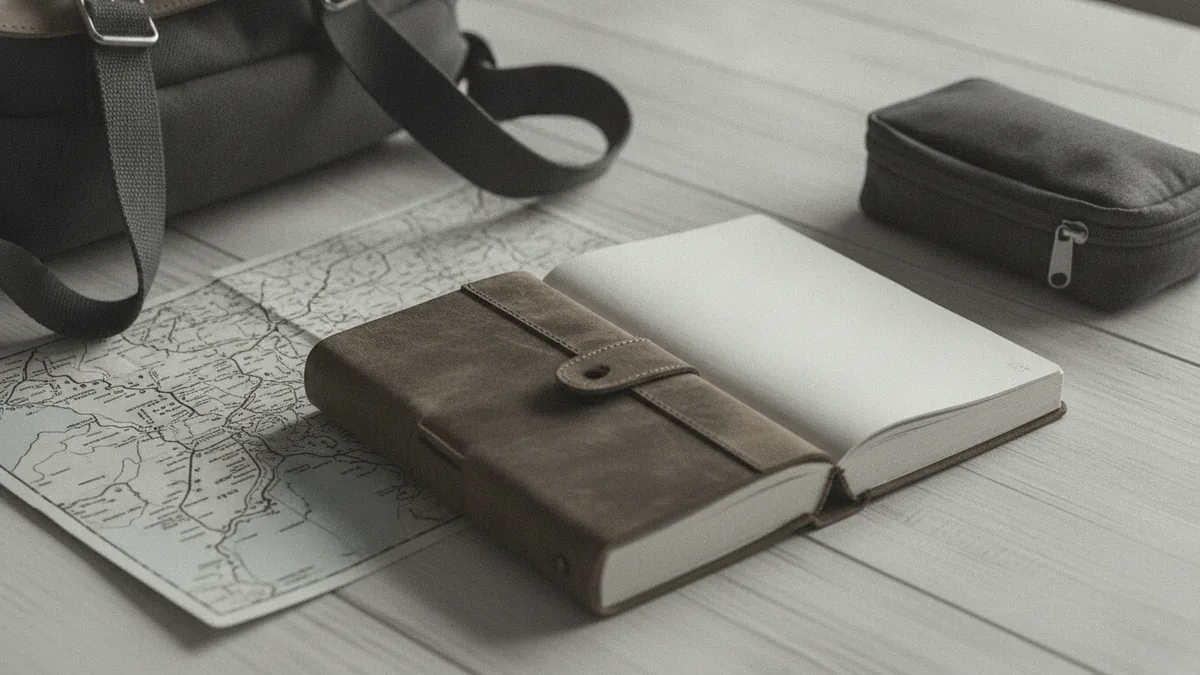
Your product list should start narrow. Tactical gear can include everything from backpacks to specialty knives, but you still need a focused hero lineup. Shoppers buy when they trust that you understand their loadout and use case.
Tactical backpacks are usually a top entry product because customers compare them heavily. Look for strong zippers, real padding where it matters, and clear internal organization. MOLLE gear is another core category because it supports customization. Specialty pouches, belt setups, and chest rigs tend to be good “add-on” sales once you get a customer.
Knife sales are possible in some regions, but rules and shipping constraints vary. If you include specialty knives, start with compliant models and clear safety information. Make sure your payment provider and shipping partners allow your specific inventory.
When you select products, prioritize three things. First, choose items that have clear photos and measurable specs. Second, focus on SKUs where customers can explain their need in a review. Third, test demand with small batches before you scale.
| Product category | Why it sells | What to validate first |
|---|---|---|
| Tactical backpacks | High comparison shopping and frequent use | Comfort, sizing, zipper quality, warranty terms |
| MOLLE gear | Modularity drives upgrades and repeat buys | Attachment compatibility and build strength |
| Specialty knives | Gift and preparedness intent | Legal shipping rules, safety docs, return policy |
| Tactical accessories | Easy add-ons to increase order value | Use-case fit, durability, and clear compatibility info |
Business models for tactical gear ventures
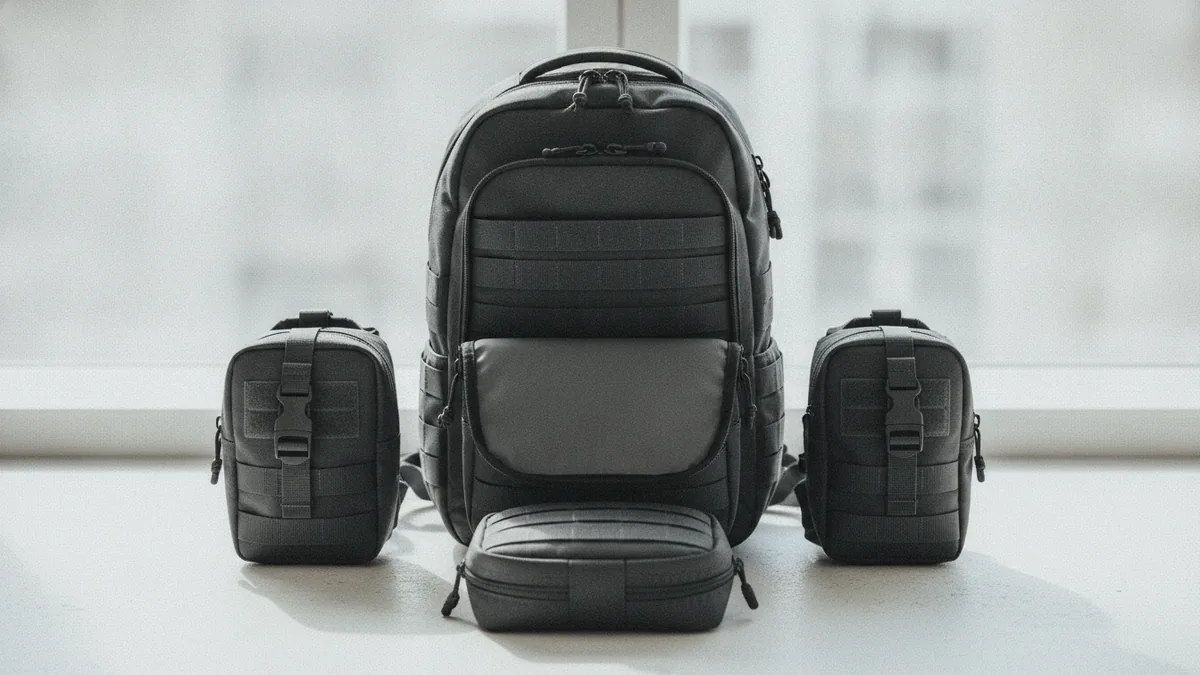
One of the biggest advantages of starting an e-commerce business in this niche is scalability. You can begin with a small catalog, test offers fast, and expand only when you see repeat purchases. Low overhead matters because inventory is the cost you cannot ignore in gear retail.
Lean models can help you learn the market without heavy risk. Dropshipping lets you list products and pass orders to a supplier. You still need to verify quality and shipping times, or customer support will consume your margin.
Private labeling is another path once you prove demand. You can buy from a contract manufacturer or sourcing partner, then add your own branding. This model gives you more control over fit, materials, and packaging quality.
If you plan to build a long-term brand, consider a hybrid approach. Start with dropshipping for broad discovery. Then move your best categories to private labeling or small held inventory. That reduces returns and improves customer loyalty.
- Discovery phase: list 15–30 SKUs and run small tests.
- Quality gate: order samples and test with real use.
- Offer fit: build bundles like “range-ready carry” or “day hike kit.”
- Scale phase: shift winners to private labeling or stock.
Marketing strategies for your tactical gear business
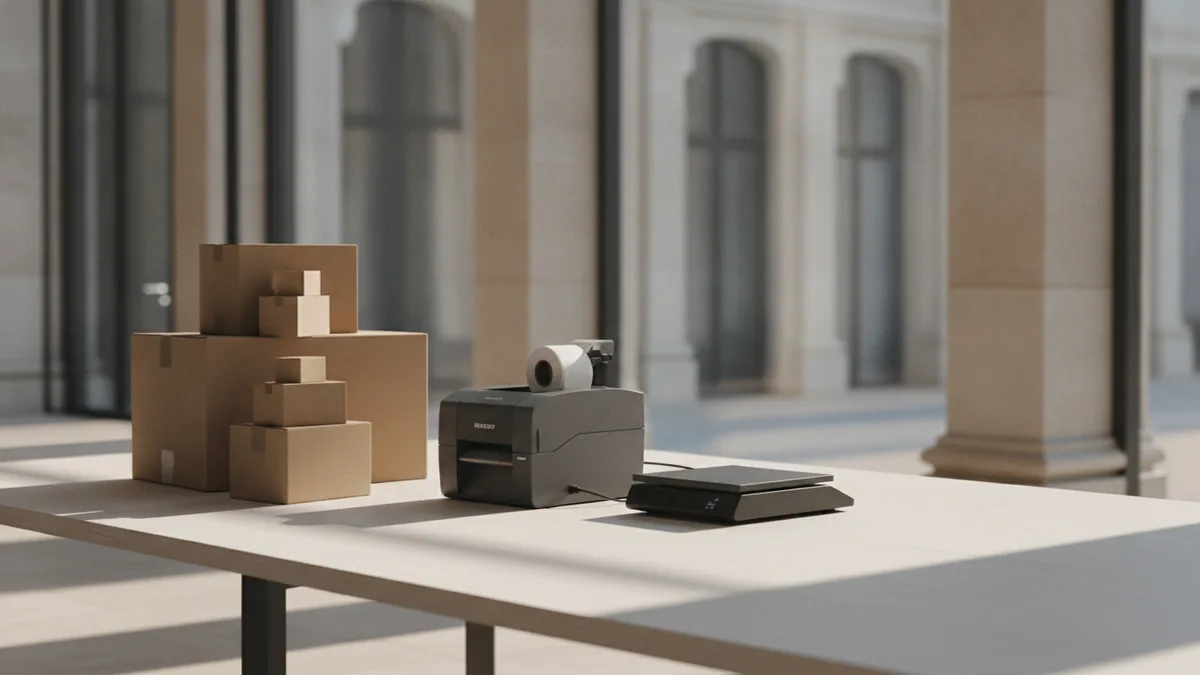
Good tactical gear marketing is mostly proof. People want to see how gear performs in real conditions. Content marketing that answers questions beats hype, especially for buyers who already know what they need.
Start with product reviews and use-case videos. YouTube is especially useful because viewers can compare setups and watch packing and loadout demos. Make each video match a specific concern, like “how MOLLE pouches sit under a backpack strap” or “how to pick backpack sizing for a day carry.”
Build a repeatable content calendar. Pair videos with short posts that link to a deeper guide, like “best backpack for 3-day training” or “how to build a modular pouch layout.” This supports customer loyalty by making your store feel like a training resource.
Also use niche marketing channels where gear buyers already gather. Outdoor recreation communities, training groups, and local clubs can be strong referral sources. You can run giveaways, but prioritize value. Offer durable add-ons or bundles that match what your audience already buys.
- Product-led content: reviews, packing demos, and compatibility checks
- Use-case guides: range days, hikes, travel carry, and training cycles
- Community touchpoints: polls on new colors, bundle ideas, and sizing charts
- Customer support as marketing: fast replies and clear fit notes
Finally, capture emails early. Use a size quiz or loadout checklist and offer a practical discount on first order. This helps you market without paying for ads every single day.
Common challenges and solutions
Most new brands struggle with four issues: quality control, returns, trust, and logistics. Tactical gear customers often expect long life and consistent fit. If your products vary, reviews will turn fast.
Quality control needs a process, not hope. Order samples from every supplier before you launch. Test seams, closures, and strap wear. Then document results so your descriptions match what you actually sell.
Returns are another predictable challenge. Tackle it with clear sizing charts and compatibility diagrams for MOLLE systems. Add photos that show scale and multiple angles. When you reduce guesswork, you also reduce chargebacks.
Logistics and compliance vary by product. Knife shipping, hazard handling, and destination rules can change. Before you add restricted items, confirm your shipping policies and check what your payment processor permits.
If you keep hitting slow sales, revisit positioning. Many tactical gear businesses start too broad. Niche specialization fixes that. Pick a customer group and a single core problem, then build around it.
Resources for aspiring business owners
You do not need to guess in silence. Use credible resources to speed up your learning and protect your margins. Start with e-commerce basics like product photography, conversion copy, and customer data tracking.
For supplier research, request documentation and sample units. Ask for material specs, stitching details, and warranty terms. Then negotiate lead times based on your launch plan, not on your ideal future.
For marketing, study how top creators run product reviews and build audience trust. Watch for patterns in what they measure, like retention and watch time. Adapt the format to your gear and your audience needs.
For operations, learn customer service workflows. Tactical gear buyers ask specific questions about fit and compatibility. A clear process for replies and returns keeps your reputation steady as you grow.
- Build a simple launch sheet: product, supplier, price, margin, and shipping estimate
- Track conversion rate by device and traffic source
- Collect review feedback and turn it into product updates
- Use bundles to lift average order value
Frequently asked questions
- How to start a tactical gear business with low upfront cost?
- Start with e-commerce and test demand using a small catalog. Consider dropshipping for discovery, then sample products and move winners to private labeling or held inventory.
- What tactical gear products sell best for new brands?
- Tactical backpacks and MOLLE gear often sell well because shoppers compare details. Tactical accessories can also raise order value through bundles and add-ons.
- Who buys tactical gear besides military and law enforcement?
- Many customers are veterans, outdoor enthusiasts, and people focused on tactical fashion. You can also serve survival gear buyers who search for preparedness kits.
- Is content marketing important for a tactical gear business?
- Yes. Tactical shoppers want proof, so product reviews and use-case demos work well, especially on YouTube.
- Should I specialize in a niche or sell everything tactical?
- Specialize at first. A focused niche helps you win trust faster and improve conversion because your content matches a specific problem.
- What are common reasons tactical gear stores get high returns?
- Returns often come from unclear sizing and compatibility gaps. Fix this with accurate specs, scale photos, and straightforward compatibility notes.
Related reading

Start a Mobile Drug Testing Business (Without a Lab)
Build a mobile testing service with sound training, lab links, and clear pricing.

Start a Business with a Problem Worth Solving
Turn a useful idea into a business with clear steps, sound research, and steady resolve.

Loft Conversion Timelines — What Affects the Build
Typical build times range from four to twelve weeks, plus planning and setup.