How to Start an Eco-Friendly Business (With Sustainable Profits)
A practical guide to start an eco-friendly business with real steps and clear metrics.
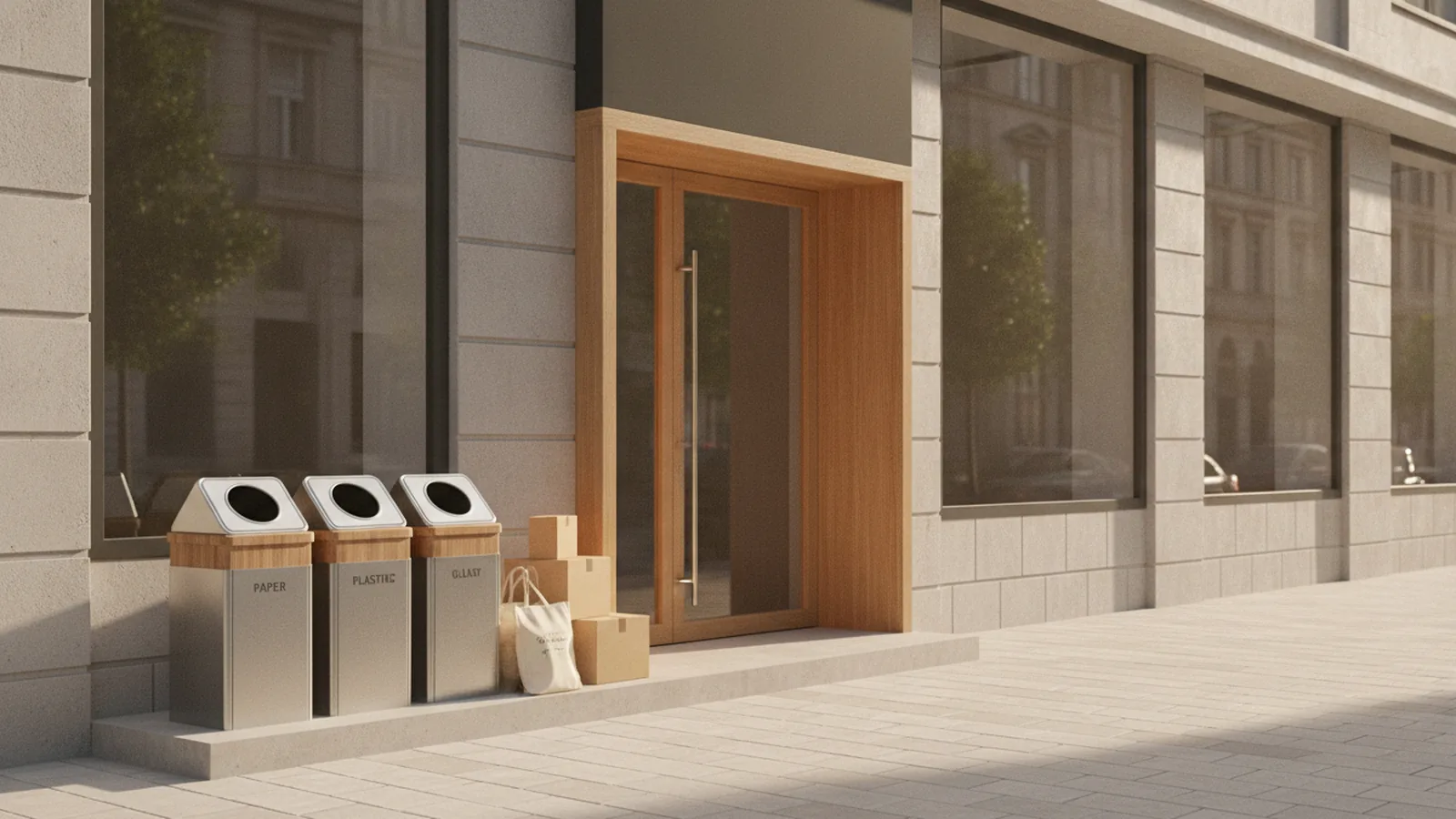
Start with a clear answer: how to start an eco friendly business
To start an eco friendly business, pick a real eco-friendly niche you can run well. Then match it to local demand, honest pricing, and a plan for lower waste and lower energy use. Next, source sustainable materials and plan your supply chain to reduce emissions. Finally, market with green marketing that is specific, and measure your progress with clear metrics.
This approach keeps sustainability from becoming vague branding. It also protects your profits. You will know what to build, where to buy inputs, how to run daily operations, and how to prove results.
- Choose an idea you already understand
- Validate demand and competition
- Write green business planning goals
- Reduce footprint in sourcing and operations
- Track measuring sustainability in business metrics
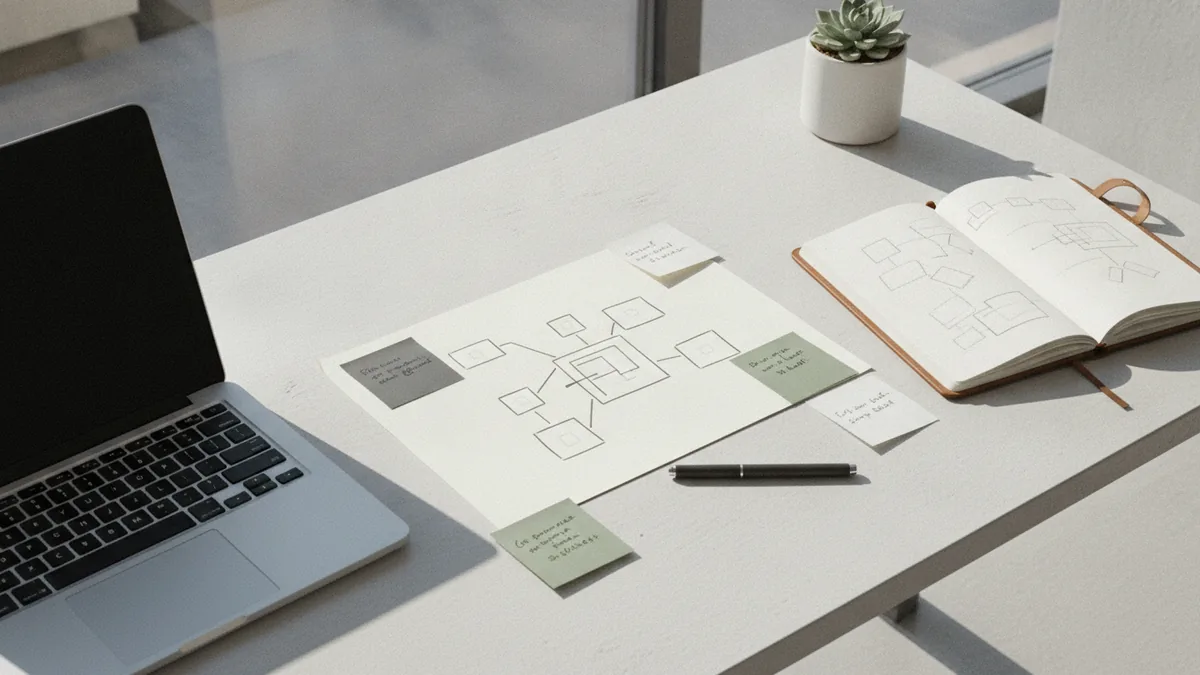
Choosing sustainable business ideas from what you already like
Many strong eco-friendly business ideas start as hobbies. Look for interests that already shape your habits and taste. Then ask how those skills can serve eco-conscious consumerism in a paying way.
Start by listing hobbies, tools, and problems you naturally notice. For example, if you bike and repair flats, you may spot demand for low-waste bike maintenance kits. If you garden, you may learn which compost options work locally.
Turn each hobby into a business question. Can you sell a service or product that reduces waste, saves energy, or improves material life?
- Write five hobbies you can do for hours.
- For each hobby, note one environmental pain point you see.
- Draft two eco-friendly offers you could sell: a product and a service.
- Pick one offer you can explain in 30 seconds.
Examples of eco-friendly business ideas include refill shops, repair services, compost pickup, upcycled home goods, or energy-efficiency audits for small offices. The best idea is not the “greenest” one. It is the one you can deliver consistently while customers keep choosing you.

Understand your market and audience before you commit
Eco-friendly business planning fails when demand is assumed. You need real market signals for what people will buy, not what feels right. Start with a quick demand check in your local area and online.
Analyze both market demand and competition. Look at how many similar businesses exist and what they sell. Also check reviews for recurring complaints, like high prices, long delivery times, or unclear sustainability claims.
Then define your target buyer with specific behavior. Ask where they spend money, how they compare options, and what triggers a purchase. For instance, some customers care about carbon footprint reduction and will pay more for low-emission shipping. Others care most about durability and will choose products that last.
| Research step | What to collect | How you use it |
|---|---|---|
| Competitor scan | Price ranges, product mix, claims | Set your pricing and differentiation |
| Customer signals | Review themes, repeat questions, objections | Improve your offer and messaging |
| Local availability | Lead times, shipping costs, inventory | Plan cash flow and fulfillment |
A practical move is to test your offer with a small launch. Offer 20 units or two weeks of a service, then track conversion rates. If you cannot measure interest, you cannot manage profit.

Build a concise sustainable business plan with real targets
Your plan should be short enough to use weekly. Many founders write pages, then stop looking at them. A green business plan should focus on a few measurable goals tied to daily decisions.
Start with your value proposition and margins. Then add a sustainability section with practical actions, not slogans. For example, “reduce packaging weight by 25% in six months” is better than “use eco-friendly packaging.”
Include financial assumptions and operational constraints. If sustainable materials cost more, say how you will price and how volume will change costs over time. If you depend on local sourcing, confirm supply stability and backup options.
- Goal: define one environmental and one business target for the next 90 days.
- Offer: list exactly what you sell and how it reduces waste or energy use.
- Costs: estimate unit costs with and without sustainable upgrades.
- Delivery: document lead times and how you handle out-of-stock events.
If you are unsure, draft three versions of your plan. Plan A assumes steady growth, Plan B assumes slower sales, and Plan C assumes a delayed supplier. This helps you protect cash and avoid rushed decisions.
Manage your green supply chain to cut emissions and risk
Your footprint often comes from inputs, not just your storefront. Green supply chain management means choosing suppliers and logistics that reduce harm while staying reliable. It also means reducing surprises in quality and pricing.
Source materials from local and responsible suppliers when it makes sense. Local sourcing can reduce long-distance shipping. It can also improve consistency because you can inspect materials and adjust quickly.
Next, evaluate supply chain sustainability beyond distance. Ask suppliers about recycled content, chemical use, and packaging. Request documentation you can share internally, even if you cannot publish everything.
Then plan carbon footprint reduction at a practical level. Use one or two key actions that matter most for your product. For many goods, transport and packaging weight are the biggest levers you can control.
- List top input materials by cost and volume.
- Pick two sustainability criteria for each input.
- Collect supplier evidence: materials specs, recycling content, packaging details.
- Set a goal for annual reduction in shipping emissions or packaging weight.
- Maintain a backup supplier for critical inputs.
Also consider waste management for incoming and outgoing goods. Build return paths for damaged items and a plan for scrap. A good middle layer between supplier and customer can reduce waste without slowing fulfillment.

Run eco-friendly operations with energy efficiency and waste control
Operations are where sustainable business practices become real. You do not need perfect systems on day one. You need predictable habits that reduce waste, save energy, and keep costs stable.
Energy efficiency is often the easiest win. Review lighting, heating, cooling, and equipment power use. Then choose renewable energy sources when your budget allows, or start with a switch to efficient appliances and smart controls.
Waste management should cover daily workflows. Separate recyclables correctly, reduce single-use items, and plan for composting where possible. If you produce goods, measure scrap and redesign to reduce it.
Community engagement can support this work. Partner with local repair events, schools, or neighborhood groups. Customers notice when you help build a culture of reuse, not just sell products.
- Use LED lighting and motion sensors in low-traffic areas.
- Set one thermostat rule and enforce it consistently.
- Pick a single set of packaging materials and standardize sizes.
- Implement a “return and refill” option when your model supports it.
- Track waste types weekly, not monthly.
Start small, then scale. Many businesses cut energy use in a few months by changing settings and equipment first. Later, you invest in renewables or bigger upgrades.
Market with green marketing you can back up, then measure sustainability
Green marketing works best when it is specific and verifiable. Instead of “eco-friendly,” describe what you did. Mention your local sourcing approach, your packaging changes, or your measured impact. Customers already expect claims. They just want clarity and evidence.
Choose marketing channels that match your audience and your budget. If you sell to families, community events and local partnerships may outperform broad ads. If you sell B2B services, publish a simple case study with numbers, like reduced energy spend.
Then measuring sustainability in business becomes your growth tool. Define metrics that match your operations and supply chain. Track resource use, waste production, and environmental impact in a repeatable way.
| Metric | How to measure simply | Target example |
|---|---|---|
| Energy use | Monthly utility bills or smart meter data | Reduce kWh by 15% |
| Packaging weight | Record grams per order for one month baseline | Cut by 25% in 6 months |
| Waste volume | Count bins or weigh weekly waste by type | Reduce landfill waste by 30% |
| Supplies with evidence | Percent of inputs with supplier documentation | Reach 80% documented inputs |
If you need structure, plan an environmental impact audit once per year. Use it to spot hidden sources of waste and energy use. Then set one improvement for each quarter so progress stays steady.
Finally, keep learning from customers. Ask what matters to them and what turned them into buyers. That feedback helps you refine both your product and your sustainability story.
FAQ: common questions when starting an eco-friendly business
Is it better to start with a product or a service?
It depends on your skills and local demand. Services like repair, audits, or cleanup can start with lower inventory risk. Products can build margins, but you must manage sustainable materials and returns.
How do I price sustainably without losing money?
Calculate your true unit cost first, including sustainable materials and packaging. Then set a margin that covers marketing and overhead. If costs are high, improve your volume forecast and reduce waste in operations.
What counts as sustainable business practices in day-to-day work?
It means concrete actions like energy-efficient equipment, refill options, and waste separation. It also means reliable sourcing with documented material claims.
How can I measure sustainability without complex tools?
Start with a baseline and track a few metrics weekly. Use utility bills for energy, bin counts for waste, and order records for packaging weight.
Do I need an environmental impact audit?
Not on day one. A simple yearly audit is enough for most small teams. It helps you plan larger supply chain changes with less guesswork.
How can I prove my green marketing claims?
Publish what you changed and how you measured it. Keep supplier evidence and your internal logs so you can answer questions honestly.
Frequently asked questions
- What are practical steps to start an eco-friendly business?
- Pick an eco-friendly niche you can serve well, test demand, and write a short green business plan. Then set sourcing, run energy-efficient operations, and track measuring sustainability in business metrics.
- How do I choose eco-friendly business ideas that can make profit?
- Start from hobbies or skills you already have. Match each idea to a customer pain point and validate pricing with competitor and review research.
- What should I include in green business planning?
- Include your offer, unit costs, and a few measurable sustainability targets. Focus on actions like packaging reduction, energy efficiency, and waste management with timelines.
- How do I manage supply chain sustainability as a small business?
- Source sustainable materials from local and responsible suppliers when possible. Set criteria for inputs, document supplier claims, and maintain backup options for key inputs.
- How can I measure sustainability in business without complex software?
- Use simple baselines for energy use, packaging weight, and waste volume. Track a few metrics weekly so you can improve quarter by quarter.
- What is effective green marketing for an eco-friendly brand?
- Use specific, verifiable claims about what you changed and how you measure it. Share results like reduced waste, not just broad promises.
Related reading

Start a Mobile Drug Testing Business (Without a Lab)
Build a mobile testing service with sound training, lab links, and clear pricing.

Start a Business with a Problem Worth Solving
Turn a useful idea into a business with clear steps, sound research, and steady resolve.

Loft Conversion Timelines — What Affects the Build
Typical build times range from four to twelve weeks, plus planning and setup.