What to Do When Starting a Business: A Clear First-Step Plan
Get a practical step plan for starting a business, plus funding, registration, and launch prep.

Identify your business idea and the first step when starting a business
The first step when starting a business is identifying a viable business idea. You want an idea you can deliver with your skills, and one that matches real market demand. If you start with a solution nobody wants, every later step becomes harder. Early traction beats big plans.
Start by writing down what you already know how to do. Then list customer problems you have seen in your own work or daily life. Next, narrow the idea to a specific customer type and a clear pain. This turns a broad dream into a business idea you can test.
When you ask “where to begin when starting a business,” you should begin here. Choose a small offer you can ship quickly. Then you can learn faster and adjust before you burn money. That focus helps with startup challenges.
- Pick one customer group you understand
- State the problem in plain language
- Explain your approach and why customers switch
The primary concerns when first starting your business are demand, cash, and risk. You can manage these better when the business idea is tight. A vague offer makes demand testing slow and expensive. It also weakens your sales message.

Do market research so you know what customers want and who you compete with
Market research is where you stop guessing and start using evidence. You need to understand customer needs and the competitive landscape. This step answers what to do starting a business beyond your first enthusiasm. It also shows how pricing and buying decisions work in your niche.
Begin with two questions. What problem do customers want solved right now? And what do they use today to solve it? Then list direct competitors and also “alternatives” customers already choose. Alternatives often compete harder than brand-name peers.
Use a mix of methods that match your budget and timeline. Read customer reviews for competing products. Look for repeated complaints and missing features. If you can, run short interviews with 8 to 12 target customers. You want real phrases they use.
- Collect competitor offerings and prices
- Summarize top customer complaints and unmet needs
- Draft a value promise you can back with evidence
- Estimate your sales cycle based on customer behavior
This is also where you find why is starting a business so hard. If buyers must compare vendors, you need time and proof. If adoption is slow, you must plan for longer early timelines. That is normal, but it must shape your plan.
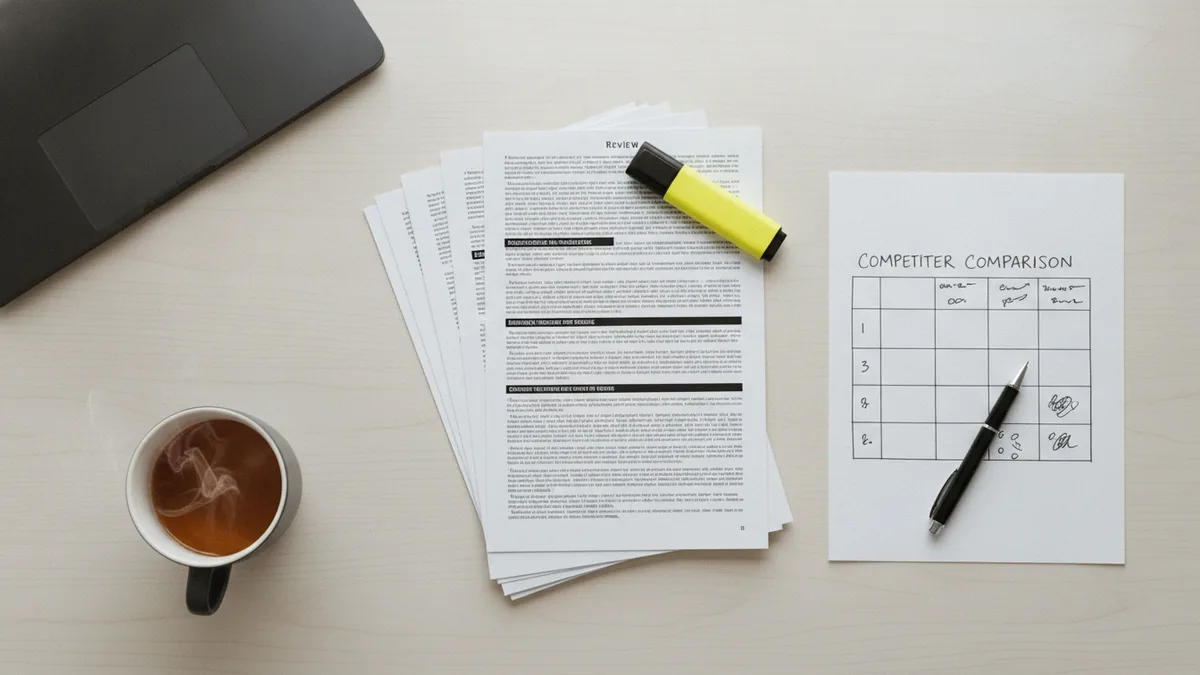
Write a business plan that clarifies goals, customers, and costs
A solid business plan outlines business goals, a target market, financial projections, and operational structure. Treat it as a decision guide, not a document for investors. When people ask what to do when starting a business, this is the step that forces clarity. It helps you choose what to build first and what to delay.
Start with measurable goals for the first 6 to 18 months. Examples include revenue range, customer count, or retention targets. Then define your target market with real traits. Add location, company size, or buying role if those matter to sales.
Your plan should also explain operations. Describe how you deliver the product or service and what tools you need. Include assumptions about key suppliers and support tasks. Then add pricing logic so your unit numbers make sense.
| Business plan section | What to include | Why it matters |
|---|---|---|
| Target market | Buyer persona, use case, buying triggers | Shapes marketing and sales approach |
| Financial projections | Revenue drivers, cost estimates, cash needs | Shows whether you can survive early months |
| Operations | Delivery steps, tools, partners, responsibilities | Reduces “we’ll figure it out later” failures |
| Milestones | Launch date, first sales target, review points | Creates a runway for learning |
To answer what are the costs of starting a business, your plan should include both fixed and variable costs. Fixed costs include software, insurance, and rent. Variable costs include labor time, delivery supplies, and payment fees. If you cannot estimate these, you cannot set realistic pricing.
Many founders also ask is it worth starting a business. A realistic plan helps you compare effort and return. It also helps you choose a smaller test if numbers look weak. That is how you keep momentum while reducing risk.

Choose a business structure and plan for taxes, liability, and capital
Choosing the right business structure affects taxes, liabilities, and how you raise money. This decision connects to where to get money for starting a business. Some investors prefer certain structures because of how ownership works. Some structures also limit personal exposure if something goes wrong.
You may also hear advice like “form an entity early.” That can be helpful for some small business situations. It can protect personal assets when a lawsuit involves business activities. Still, details vary by country and state. You should confirm options with a qualified professional in your area.
This is also where you plan for business registration steps. A structure decision should align with your timeline for launching. If you need permits or licenses, you want the entity ready enough to apply. Waiting too long can delay a launch date you already counted on.
- Understand personal liability risk for your business model
- Check tax treatment and record-keeping needs
- Confirm fundraising fit if you plan to raise outside funds
The main challenges when starting a business often include paperwork and uncertainty. A clear structure reduces later confusion about ownership and responsibility. It also helps you open the right business banking accounts. That supports cleaner accounting from day one.

Secure funding options, register the business, and prepare for launch
Funding sources come in many forms, and you should match them to your stage. Common options include personal savings, business loans, investors, grants, and crowdfunding. Early on, personal savings and small loans can work for quick tests. Later, investors or crowdfunding may support growth after proof.
When people ask where to get money for starting a business, they often skip the matching step. Do not treat every option as interchangeable. Loans require repayment, so your cash flow must be predictable. Grants require strong fit and compliance, so they can take longer. Investors want growth potential and may expect influence.
Once you decide on structure and funding, move into business registration. Register your business with the appropriate federal, state, and local agencies. This establishes the legal entity so you can open accounts, sign contracts, and apply for permits. Your exact steps depend on your location and business type.
Then prepare for launch. Build a marketing strategy based on your research. Define your first channels, your message, and your offer. Also handle logistics like payments, delivery steps, support workflows, and basic tracking. When starting a business, what to do first often becomes what to do next, so keep a checklist.
- Choose your funding sources and timeline
- Complete business registration and required business licenses and permits
- Set up banking, accounting records, and basic reporting
- Finalize a marketing plan and launch offers
- Run a soft launch or pilot to catch issues early
If you are wondering where to begin when starting a business, this ending ties it together. Idea, research, plan, structure, funding, registration, then launch. That order reduces rework and avoids common mistakes to avoid when starting a business. It also helps you stay focused when the work gets intense.
Many founders ask about support and motivation. How to stay motivated when starting a business usually depends on small wins and clear milestones. If you need help at home, how to support your husband starting a business means aligning expectations on time and spending. Keep communication steady, because startup stress hits schedules first.
Finally, ask is starting your own business hard. Often, it is not about effort. It is about managing risks, cash, and timelines while learning fast. If you want a practical reading list, books to read when starting a business can strengthen your plan and your execution. Pair reading with experiments so your learning turns into results.
Questions to ask your team before you launch
Who to talk to when starting a business can include a lawyer, an accountant, and mentors. You should focus questions on your setup and your risks. If you use a lawyer, you can ask what to ask a lawyer when starting a business about structure, contracts, and liability. If you work with accounting, ask about the records you need and the cadence you should follow.
Even without outside help, you can ask what questions to ask before you launch. What will fail first in our process? What costs are we likely to miss? What customer feedback would change our plan? This helps with challenges entrepreneurs face when starting a business.
Then decide what not to do when starting a business. Do not overspend before demand is proven. Do not sign long contracts you cannot fulfill. Do not avoid tracking your cash and costs, even when sales are small. This is how you reduce preventable problems faced when starting a business.
Frequently asked questions
- What are the first steps to starting a business?
- Start by identifying a business idea that matches market demand. Then do market research, write a business plan, and choose a business structure before you register and launch.
- What challenges when starting a business should I plan for?
- Common startup challenges include unclear demand, cash shortages, and slow learning cycles. Structure and registration delays can also hurt your launch timeline.
- Where to get money for starting a business at the start?
- Options include personal savings, small business loans, investors, grants, and crowdfunding. The best choice depends on your cash needs and how predictable your early revenue is.
- How do I prepare for launch after registration?
- Create a marketing strategy from your research. Also set up operations like payments, delivery steps, and basic tracking for early feedback.
- Is starting a business worth it?
- It can be worth it when your plan matches your market and your cash reality. A realistic business plan helps you judge effort, risk, and possible return.
Related reading

Start a Mobile Drug Testing Business (Without a Lab)
Build a mobile testing service with sound training, lab links, and clear pricing.

Start a Business with a Problem Worth Solving
Turn a useful idea into a business with clear steps, sound research, and steady resolve.

Loft Conversion Timelines — What Affects the Build
Typical build times range from four to twelve weeks, plus planning and setup.