How to Start a Sales Business: Models, Planning, and Setup
Follow a practical roadmap to start a sales business, from model choice to team hiring.

Understanding sales business models
To learn how to start a sales business, begin by choosing the model that matches your skills and risk tolerance. Direct sales means you sell products yourself. Sales consulting means you help other teams sell better. Sales training means you teach sales skills and run workshops.
Your first decision affects your pricing, lead flow, and day-to-day work. Direct sales often needs product sourcing and inventory management. Consulting and training often start with a strong offer and proof of results. Many new entrepreneurs blend two models, like consulting plus light training.
Here is a simple way to compare common options. It helps you pick what you can sell in the next 30 to 60 days.
- Direct sales: You sell goods or services to customers for a margin or commission.
- Sales consulting: You advise businesses on sales strategy, process, and performance.
- Sales training: You teach reps through coaching, courses, and role-play.
If you want a fast path into action, services models are often easier to start. You still need a clear offer and a target audience. You also need proof, like case studies or client references.

Identifying your niche and products
Choosing a niche is crucial for targeting the right audience and avoiding price-only competition. A niche is not just an industry. It is also the buyer role, the problem you solve, and the sales cycle length.
For example, “B2B software” is broad. “Lead qualification for mid-market SaaS using outbound phone and email” is sharper. That clarity shapes your messaging and your sales strategy. It also tells you where to find buyers.
If you are starting in digital, decide what “sale” means in your offer. Some sellers focus on appointment setting. Others focus on product demos. Others focus on closing a specific package.
Use this targeting method to define your offer. It turns a vague idea into a sellable plan.
- Pick a target audience: choose job titles and company size.
- Choose the buyer problem: name the pain in plain language.
- Define the product or service: include deliverables and outcomes.
- Set a starting price: use a range, then test it quickly.
When you are initiating a sales consulting business, your “product” is often a repeatable engagement. That could be a sales pipeline audit, new call scripts, or a new outreach process. When you are beginning a sales training business, your product is the training path. It might include assessments, weekly coaching, and a scorecard for progress.
When you are starting a sales career in digital marketing, watch for a mismatch. Marketing leads are not the same as sales-ready leads. Build an offer around how you will help sales teams convert those leads.
Creating a business plan with realistic numbers
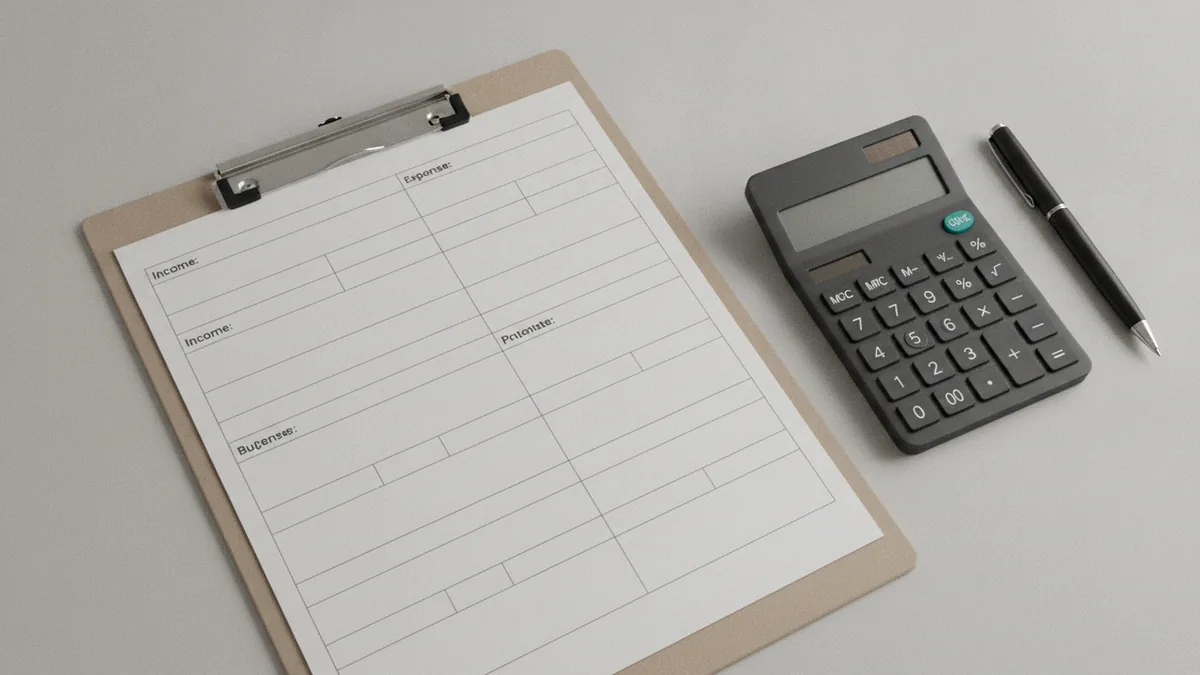
A detailed business plan is the bridge between your idea and your cash needs. It should outline goals, products, and financial projections. It should also show how you will get customers consistently.
Start with your revenue model. Direct sales revenue often depends on conversion rates and average order value. Consulting and training often depend on hours sold and retention. Be honest about your capacity and ramp-up time.
Next, list your core goals for the first year. Use measurable targets you can track weekly. Examples include booked calls, proposals sent, deals closed, or training sessions delivered.
Then build a simple financial view. It should connect your costs to your sales targets.
| Category | What to estimate | Why it matters |
|---|---|---|
| Initial costs | Products, samples, tools, setup fees | Shows how much cash you need early |
| Monthly operating costs | Rent, software, insurance, contractors | Prevents cash surprises |
| Customer acquisition | Ad spend, events, outreach time | Controls your sales strategy budget |
| Sales capacity | Calls per week, meetings, delivery hours | Limits how fast you can grow |
Calculate your startup costs before you invest heavily. Include products, marketing, travel, and basic ops. Many new founders underestimate tools and lead gen costs by 20% or more. You can avoid that by doing a short “test sprint” with a small budget first.
If your plan feels too optimistic, reduce your expected close rate and lower your average deal size. Then see if the math still works. That stress test keeps your entrepreneurship grounded.
Legal requirements and registration basics
Registration is part of business registration, not a later cleanup task. Your first step is selecting a business structure. Common options include an LLC or a DBA, depending on your setup and your state or country rules.
An LLC can help separate business risk from personal risk. A DBA may be useful if you want to operate under a different brand name. Your choice changes taxes, paperwork, and bank setup. Check local rules and talk with a qualified professional if you are unsure.
You may also need business licenses. Sales activities can require specific permits, especially if you sell regulated goods. Examples include alcohol-related items, health products, or certain home-service activities. Even if your offer is consulting or training, you may still need a general business license.
Before you register, write down what you will do in plain terms. Then match it to licensing categories. This reduces the chance of missing something that later blocks invoicing or payments.
- Select your structure: LLC, sole proprietor, or other local option.
- Choose your business name: confirm it is available for registration.
- Apply for licenses: include any sales tax or consumer permit needs.
- Set up payments: prepare how you will invoice and get paid.
If you sell to other businesses, focus on contracts early. Consulting and training should have scopes, timelines, and refund rules. Direct sales should include return policies and shipping terms.
Make sure your documents support consumer engagement. Clear terms build trust and reduce disputes. That protects your brand development long term.
Marketing strategies for consistent sales
Marketing should create demand and shorten your path to yes. Your goal is not to “get attention.” Your goal is to reach the buyers who fit your niche and offer. That is how marketing supports entrepreneurship instead of wasting time.
Start with one primary channel and one supporting channel. Keep the first channel simple until you have repeat results. For many new sellers, outbound outreach is the fastest way to learn what buyers respond to.
Then build a message that matches the buyer’s situation. “We improve conversions” is vague. “We reduce wasted outbound time by improving qualification and follow-up” is specific. Tie your promise to a measurable change, like more meetings or better close rates.
Here are practical marketing moves by business model.
- Direct sales: use product pages, demo videos, and proof from early customers.
- Sales consulting: publish audits, teardown posts, and templates buyers can use.
- Sales training: offer role-play samples, workshop previews, and coaching clips.
Track metrics that show pipeline health. For direct sales, watch conversion rate and repeat rate. For consulting and training, watch reply rate, meeting-to-proposal rate, and proposal-to-close rate. Use those numbers to tune your sales strategy every week.
If you are starting a sales career in digital marketing, align content with sales follow-up. A good ad can bring traffic. It still needs a landing offer that leads to a booked call. That linkage improves conversion without adding more spend.
Setting up operations and inventory management
Operations keep your sales promise. For direct sales, inventory management is the core operational problem. You need reliable suppliers, clear reorder points, and a way to track stock movement.
For consulting or training, operations are about delivery. You need scheduling, client onboarding, session notes, and follow-up. You also need a repeatable framework so you can serve more clients without dropping quality.
Start by defining your workflow. Then build a lightweight system to support it. Many startups fail here by trying to build a complex process too early. Focus on the minimum steps that keep orders and appointments accurate.
Use this baseline operations list.
- Lead intake: capture contact details and log source and intent.
- Sales process: track stages like call booked, proposal sent, closed.
- Fulfillment: manage delivery steps, shipping, or training sessions.
- Quality checks: confirm product specs or training outcomes.
If you hold inventory, count it regularly. Use simple SKU tracking and set reorders based on sales velocity. Also plan for returns and damage. A small shrink rate can wipe out margins if you ignore it.
Budget for storage if you need it. If you do not want the hassle, consider dropship or consignment options where available. That can reduce cash tied up in inventory.
Hiring and training sales representatives
When your pipeline grows, you need team recruitment, not just more effort. Hiring sales representatives is a scaling step. It should match your sales volume and your offer complexity.
Start by writing the role requirements. Decide who you need first. You might hire a closer for consults, an SDR for outreach, or an in-house sales rep for direct sales. For sales consulting and sales training, you may also hire delivery contractors.
Use a structured interview process. Test for communication, persistence, and coachability. Sales skill is learnable. It is also measurable when you run consistent practice calls.
Here is a hiring plan you can run in phases.
- Phase 1: hire part-time help to cover peak demand.
- Phase 2: add a rep if you can maintain lead flow.
- Phase 3: invest in coaching if conversion rates stabilize.
Training matters as much as hiring. Create a playbook that covers your pitch, objection handling, and next steps. Then use role-play and scorecards to improve consumer engagement. Your team should know exactly what “good” looks like.
For direct sales, train on product knowledge and fulfillment steps. For consulting and training, train on discovery questions and workshop delivery. Your sales representatives should leave each week with clear goals.
As you grow your business, keep your sales strategy aligned with real customer feedback. That is the fastest way to improve results without burning cash.
Key checkpoints to keep your startup on track
If you want a quick way to stay focused, check these items weekly. They connect your work to revenue. They also help you spot problems early.
First, make sure you can explain your niche and target audience in one sentence. Second, confirm your offer has a defined deliverable. Third, track sales metrics that connect outreach to closed deals. Fourth, keep costs in line with your plan.
Finally, invest in team recruitment and sales training when your numbers justify it. Hiring too early is costly. Hiring too late slows growth. Your goal is timing, not just headcount.
FAQ: how to start a sales business
What is the fastest way to how to start a sales business?
Choose a service model first, like sales consulting or sales training. Validate your offer with 10 to 20 target buyer calls quickly. Then formalize pricing and delivery after you learn what buyers want.
How do I start a sales career in digital marketing if I want to sell?
Pick a specific sales outcome, like booked demos or closed deals. Build outreach that targets a job role, then follow up with a clear offer. Track meeting quality, not just clicks.
How do I initiate a sales consulting business without prior clients?
Create a small audit package with a clear scope and deliverables. Use any past work, portfolio proof, or public examples to show your approach. Offer a limited pilot at a lower fee to build early case studies.
How do I begin a sales training business?
Build a training path around one measurable skill, like discovery calls or objection handling. Run a short workshop for a small group first. Collect scores before and after so results are easier to sell.
What costs should I calculate when starting?
Estimate products or delivery tools, marketing spend, and monthly operating costs. Add money for software, insurance, and basic legal setup. Also include travel or event budgets if you plan to meet buyers.
Do I need inventory management if I do consulting?
No, consulting usually does not require product inventory. You still need operational tracking for sessions, delivery notes, and client progress. That keeps your service consistent.
Frequently asked questions
- How do I start a sales business from zero?
- Choose a model you can deliver fast, like direct sales, sales consulting, or sales training. Validate your offer with target buyers, then formalize pricing and delivery.
- What business structure do I need when starting?
- It depends on your location and how you operate. Many founders use an LLC or a DBA, plus the right business licenses for their activity.
- How do I calculate initial startup costs for sales?
- Add product or delivery costs, marketing spend, software, insurance, and basic ops. Include a buffer for returns, chargebacks, and unexpected expenses.
- What marketing strategies work for new sales businesses?
- Use one primary channel plus one support channel. Focus on a clear offer for a defined target audience, then track reply rates and close rates.
- When should I hire sales representatives?
- Hire when you can maintain lead flow and conversion rates stay stable. Start with part-time help, then scale coaching and coverage.
- Do consulting and training need inventory management?
- Usually no. You still need operational tracking for scheduling, delivery notes, and client progress to keep service consistent.
Related reading

Start a Mobile Drug Testing Business (Without a Lab)
Build a mobile testing service with sound training, lab links, and clear pricing.

Start a Business with a Problem Worth Solving
Turn a useful idea into a business with clear steps, sound research, and steady resolve.

Loft Conversion Timelines — What Affects the Build
Typical build times range from four to twelve weeks, plus planning and setup.