How to Start a Fashion Business
A clear guide to starting a fashion brand, finding customers, and launching with systems.
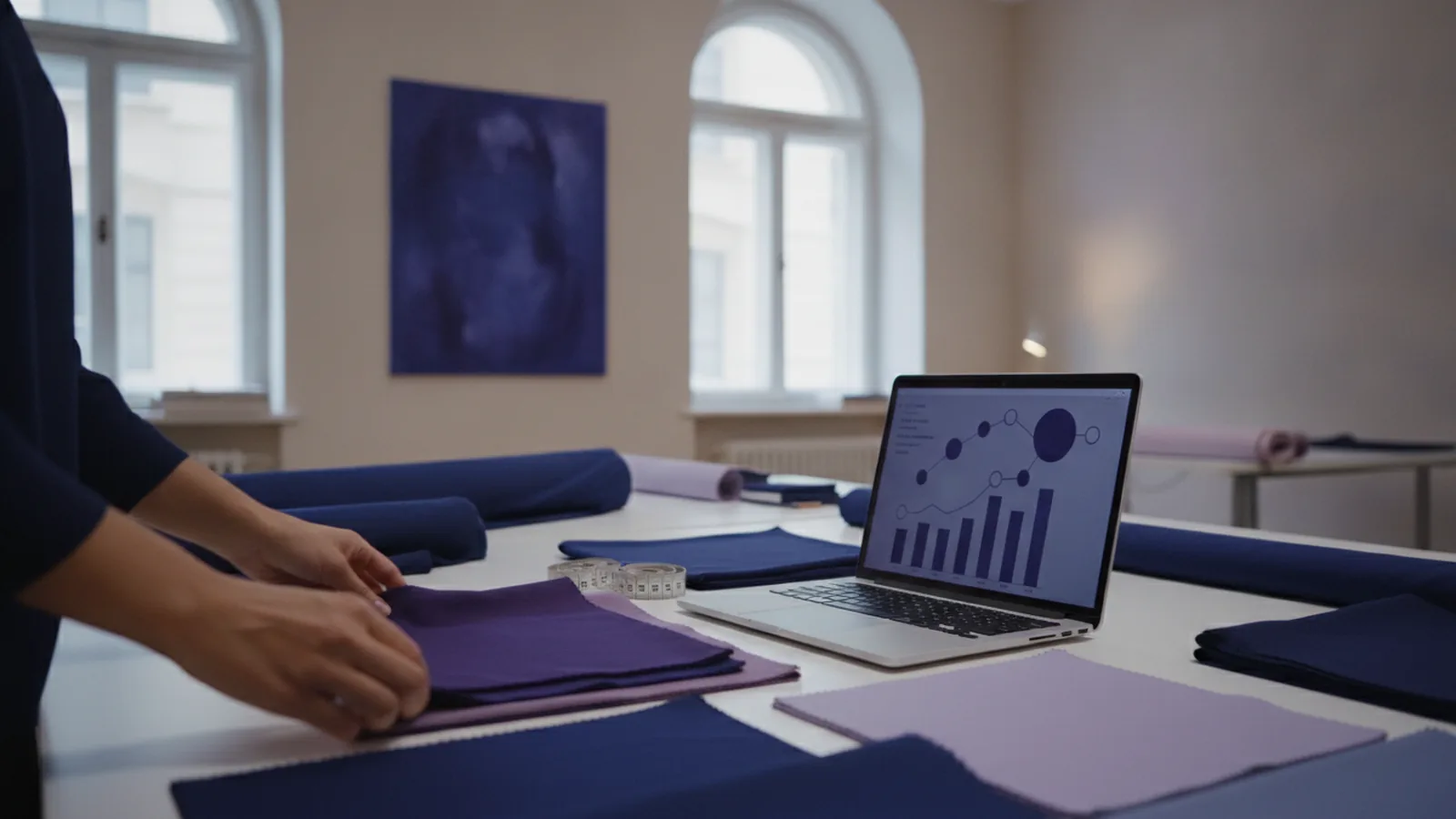
Understanding the Fashion Business Landscape
To learn how to start a fashion business, begin by planning for uncertainty. Fashion moves fast, and trends shift before many new founders catch up. Your job is to make decisions that hold up when sales are uneven and feedback changes. If you do that well, you can build momentum early.
Many myths delay good founders. One common myth says you need big money to launch. Another says you must “go viral” to sell. In real life, customers buy when the product fits their needs and the brand message feels clear.
It also helps to understand what “fashion business management” includes. It is more than making clothes. It covers production planning, costs, customer support, and the pace of marketing. If you treat it like a system, you can scale without chaos.
Market trends and customer buying habits should guide product development. For example, if your audience buys reusable items in packs, they will respond to bundles and refills. If they shop for outfits weekly, you need fast launches and clear restocks. To keep assumptions low, run quick tests and compare results.
- Myth: You need a large inventory to look legit.
- Truth: Many brands start small and prove demand first.
- Myth: Fashion success is mostly luck.
- Truth: Clarity and consistency drive compounding growth.
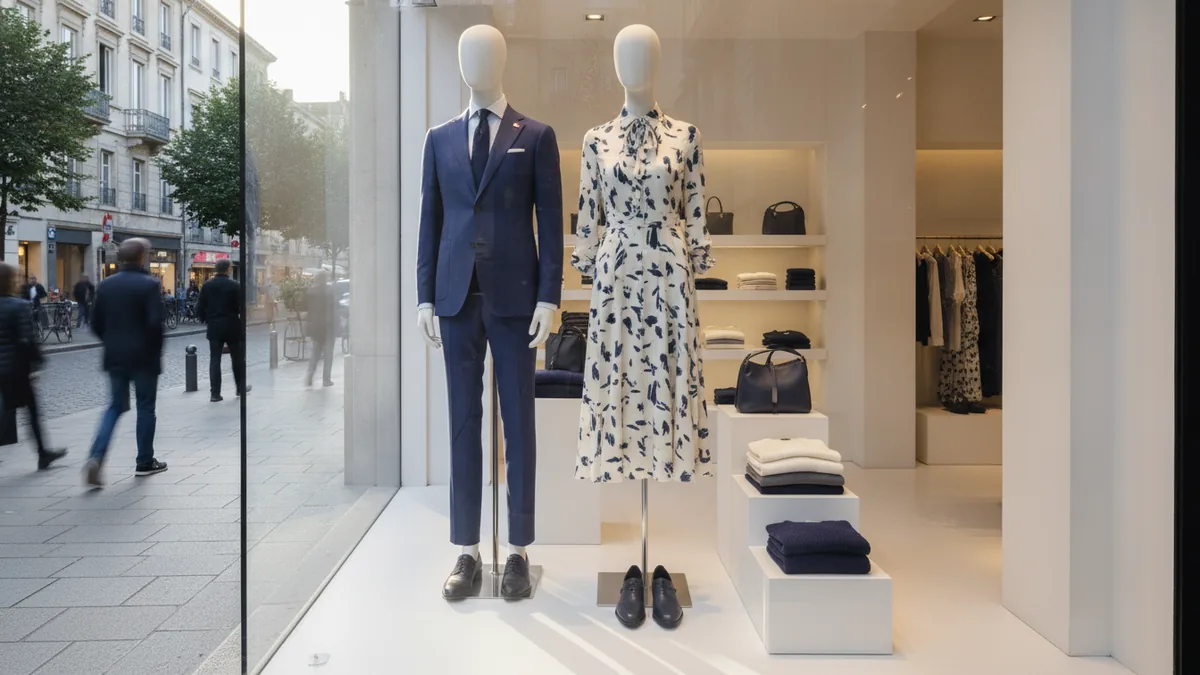
Essential Steps to Start a Fashion Business
Start by writing down what you are selling and who it is for. This is the foundation for your fashion business plan. Without it, you will struggle to choose fabrics, pricing, and messaging. A simple one-page plan can be enough to begin.
Next, research what customers already buy. Look at reviews, sizing feedback, and return reasons in categories close to yours. Then translate those findings into a product direction. If people complain about fit, adjust your pattern work or sizing guide.
Then build a launch path you can repeat. Many first-time founders try to do everything at once. Instead, plan three activities: product creation, a marketing channel, and customer engagement. Choose one main channel and one backup channel to avoid spreading thin.
Finally, prepare for operations before you need them. That means simple processes for shipping, returns, and customer messages. It also means a cost model that updates as you learn. When you plan early, you reduce painful surprises during your first 30 to 60 days.
- Define your niche: pick a customer, occasion, and style angle.
- Validate demand: test interest with a landing page or preorders.
- Prototype fast: aim for a sample you can wear and test.
- Set pricing: include materials, labor, shipping, and returns.
- Plan launch: schedule content, product drops, and follow-ups.
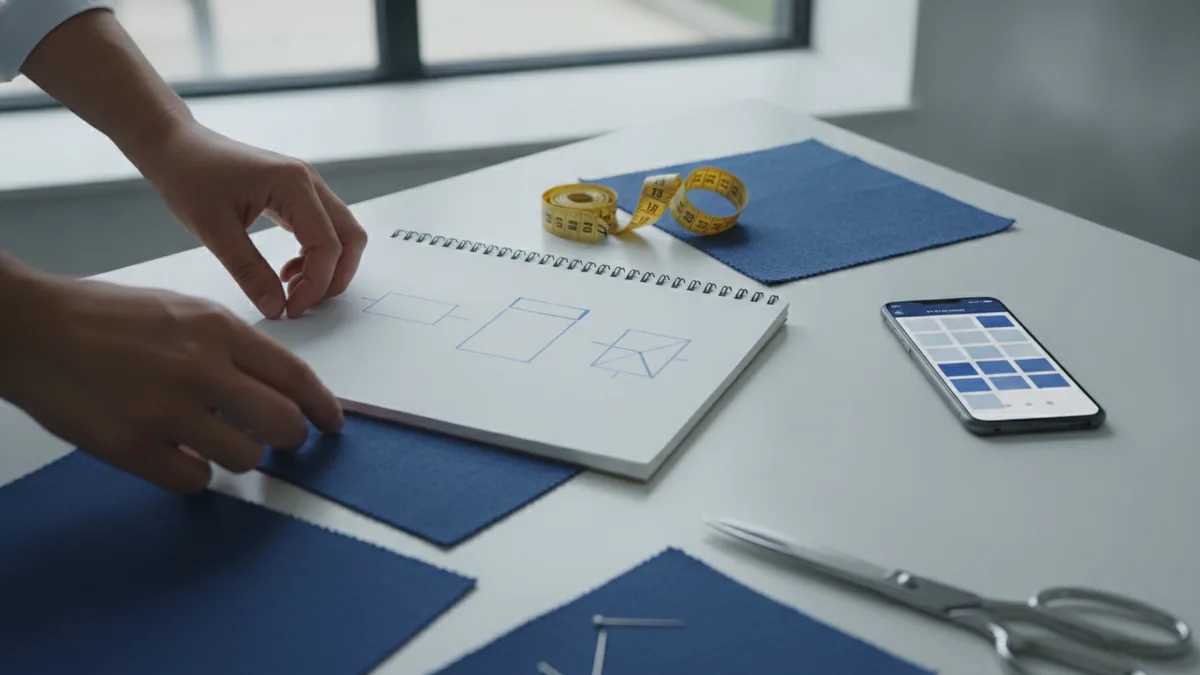
Choosing the Right Business Model
When you plan how to launch a fashion brand, your business model changes your risks and cash flow. Common options include print-on-demand, dropshipping, and traditional manufacturing with inventory. Each model shifts where the work and costs land.
Print-on-demand can be a low-risk route for graphic tees, accessories, and some small-batch goods. The main benefit is that you often avoid holding inventory. The tradeoff is less control over certain material details and slower turnaround if the provider is backlogged.
Dropshipping is similar in that you do not stock the goods. It can work for online fashion testing, especially if you already know your target audience. Still, quality control can be harder when you do not touch the product. You must order samples and inspect them carefully before marketing at scale.
Traditional manufacturing requires inventory planning. You pay for materials and production upfront. But you gain direct control over quality, packaging, and sizing. If you want a premium brand identity, this path often fits better once demand signals are clear.
| Business model | Best for | Main risk | Control level |
|---|---|---|---|
| Print-on-demand | Design-first products | Provider delays | Medium |
| Dropshipping | Fast testing online | Quality surprises | Low to medium |
| Traditional manufacturing | Premium fits and materials | Overbuying inventory | High |
Pick your model based on your product type, not just your comfort level. If your designs depend on custom patterns, you will likely need manufacturing and supply chain management. If your offering is closer to repeatable basics, testing online with smaller runs can help you find what sells.
Also think about scalability. If customer demand doubles, can your fulfillment handle it? If production lead times stretch from two weeks to six weeks, you might miss the selling window that created the buzz.
Identifying Your Target Customer
To start a fashion line, you need a target audience with clear buying habits. “Fashion lovers” is too broad for product development and marketing strategy. Instead, describe your buyer with specifics. For example, “30 to 45-year-old professionals who want capsule workwear” is actionable.
Market research should answer three questions. What problem does your buyer want solved? What do they already buy, and why do they choose it? And what makes them trust a new brand? Your answers guide everything from sizing to your opening message.
Brand identity matters because it signals fit and values. Your identity includes your visual style, tone, product naming, and customer experience. It should resonate with your target market, or you will attract the wrong buyers and face higher returns. When your identity matches your buyer’s taste, customer engagement becomes easier and more consistent.
Finally, define how you reach them. Many founders think “marketing” is only ads. In practice, you need content themes that your audience already wants. You also need a sales funnel that matches their decision pace. Some customers buy after one look, while others need multiple touchpoints.
- Make a buyer profile: age range, budget, and preferred shopping moments.
- List top objections: fit, fabric feel, shipping, and price.
- Match your offer: style, sizing, and product bundles.
- Pick proof: fit photos, reviews, and behind-the-scenes samples.
Key Marketing Strategies for Fashion Brands
Marketing starts with showing the product in real-life contexts. People do not buy fabric alone. They buy how the fabric looks on their body and how it fits their routine. Your goal is to reduce uncertainty in each customer visit.
For e-commerce brands, customer engagement needs structure. Use a consistent posting schedule and link each post to a clear offer. For example, if you launch a summer set, plan content around styling, care, and how to choose sizes. Then follow up with emails or messages that answer the most common questions.
Community can outperform ads when you stay focused. Consider creating content that teaches your buyer how to choose, style, or care for pieces. That builds trust without chasing every trend. For many new founders, this approach supports how to start your own online fashion business without needing a huge budget.
You should also plan your product development around marketing signals. If a color variation gets saves and comments, it is a data point. If a style gets refunds for fit reasons, that is product feedback. Use these signals to guide the next drop.
- Build a “launch page”: show benefits, sizing info, and delivery timelines.
- Use lifestyle visuals: highlight fit, movement, and close details.
- Offer a clear first purchase: bundle or limited starter range.
- Retarget product interest: address objections with proof and FAQs.
- Track conversion: measure views to add-to-cart, then to purchase.
As you learn, refine your marketing strategy. This is not a one-time decision. It is fashion business management in action. Better data leads to better product development and stronger brand identity over time.
Setting Up Systems for Efficiency
Systems are what separate a hobby from a business. When you are figuring out how to start a small fashion business, you often underestimate how much time tasks take. Packaging, replying to emails, and tracking orders can consume your whole week. Business systems fix that by turning chaos into repeatable steps.
Start with production workflows. Create a simple checklist for sampling, grading, and quality checks. Then log key costs per item. If you do not track costs early, you will lose margin when you scale. You also need a plan for supply chain changes so you can swap materials without changing quality.
Next, set marketing and customer workflows. Decide how you handle order updates, returns, and sizing questions. Create templates for the first reply, then personalize the details. This keeps customer engagement high even when you are busy with production.
Then set financial workflows. Track spending by category, including materials, shipping, and tooling. Keep a basic spreadsheet or accounting tool updated weekly. As a rule, review your numbers before you plan your next stock purchase.
- Production: sampling dates, QA notes, and revision history.
- Marketing: content calendar, asset library, and launch checklist.
- Finance: unit cost, gross margin, and cash runway tracking.
- Ops: shipping cutoffs, return flow, and inventory counts.
If you are searching for fashion entrepreneur tips, take this seriously. The founder who builds systems early scales faster with less stress. That is true whether you are starting a fashion boutique business or building an online drop program.
Common Pitfalls and How to Avoid Them
Inventory is the most common trap. Many founders overbuy fabrics based on excitement rather than demand. If you have limited capital, start with small runs and preorders. Then reorder only what sells, and adjust sizes using real return data.
Scaling production causes another set of problems. A small batch might fit well, but a larger batch can shift measurements. That is why quality control should not pause after the first win. Run measurement checks and inspect fabric lots before shipping to customers.
Quality control also affects brand identity. If early buyers get a piece that feels “off,” they will talk about it in reviews. Your marketing can bring traffic, but consistent quality keeps customers coming back. Invest in the boring steps, like pattern grading and washing tests, early on.
Cash flow mistakes can end a promising launch. Payments for production can happen before revenue arrives. If you plan how to start a fashion business plan with only “expected sales,” you might run out of money. Build a cost model that includes shipping, returns, and marketing spend for at least two launch cycles.
Some founders also pick the wrong sales route. If you try to jump into multiple channels at once, you may never learn what works. Choose one main channel, like e-commerce, then add a second when you can support it. This approach is common for people learning how to start up a fashion business without burning their budget.
- Avoid: buying too much inventory too soon.
- Avoid: skipping sampling and fit tests.
- Avoid: changing your product fast without checking quality.
- Avoid: ignoring cash flow and return rates.
Finally, be honest about your goals. Some people actually want fashion consulting or styling. If you want to start a fashion stylist business or a fashion consulting business, you still need a target customer and a clear offer. Your “product” becomes your expertise, your process, and your results. The same discipline applies.
If you want to start a fashion business online with a similar focus, define your niche and your customer promise. Then keep your brand identity consistent in every detail. That is the fastest path from first sale to repeat customers.
Frequently asked questions
- What are the essential steps to how to start a fashion business?
- Start with a clear offer and target audience, then validate demand with small tests. Build prototypes, set pricing, and plan a repeatable launch with simple ops and customer support.
- What business model is best for starting a fashion line with low risk?
- Print-on-demand or dropshipping can work well for testing demand without holding inventory. Traditional manufacturing fits when you need maximum quality and fit control.
- How do I identify my target audience for a new fashion brand?
- Use market research to learn what buyers already purchase and why. Then translate the findings into product features, sizing, and the message you lead with.
- What is fashion business management, and why does it matter?
- It is the day-to-day system behind production, costs, marketing, and customer service. Good systems help you scale without losing quality or cash flow.
- How can I launch a fashion brand online on a small budget?
- Use e-commerce with a focused niche and strong product visuals. Validate with a landing page or preorder, then scale what converts using customer feedback.
- What are common mistakes when how to launch a fashion brand?
- Overbuying inventory, skipping fit and quality checks, and ignoring return rates are frequent issues. Build a cost model and run small tests before scaling production.
Related reading

Start a Mobile Drug Testing Business (Without a Lab)
Build a mobile testing service with sound training, lab links, and clear pricing.

Start a Business with a Problem Worth Solving
Turn a useful idea into a business with clear steps, sound research, and steady resolve.

Loft Conversion Timelines — What Affects the Build
Typical build times range from four to twelve weeks, plus planning and setup.