How to Start a Pallet Business (Resale, Liquidation, Manufacturing)
Learn how to start a pallet business with resale, liquidation, recycling, and manufacturing models.
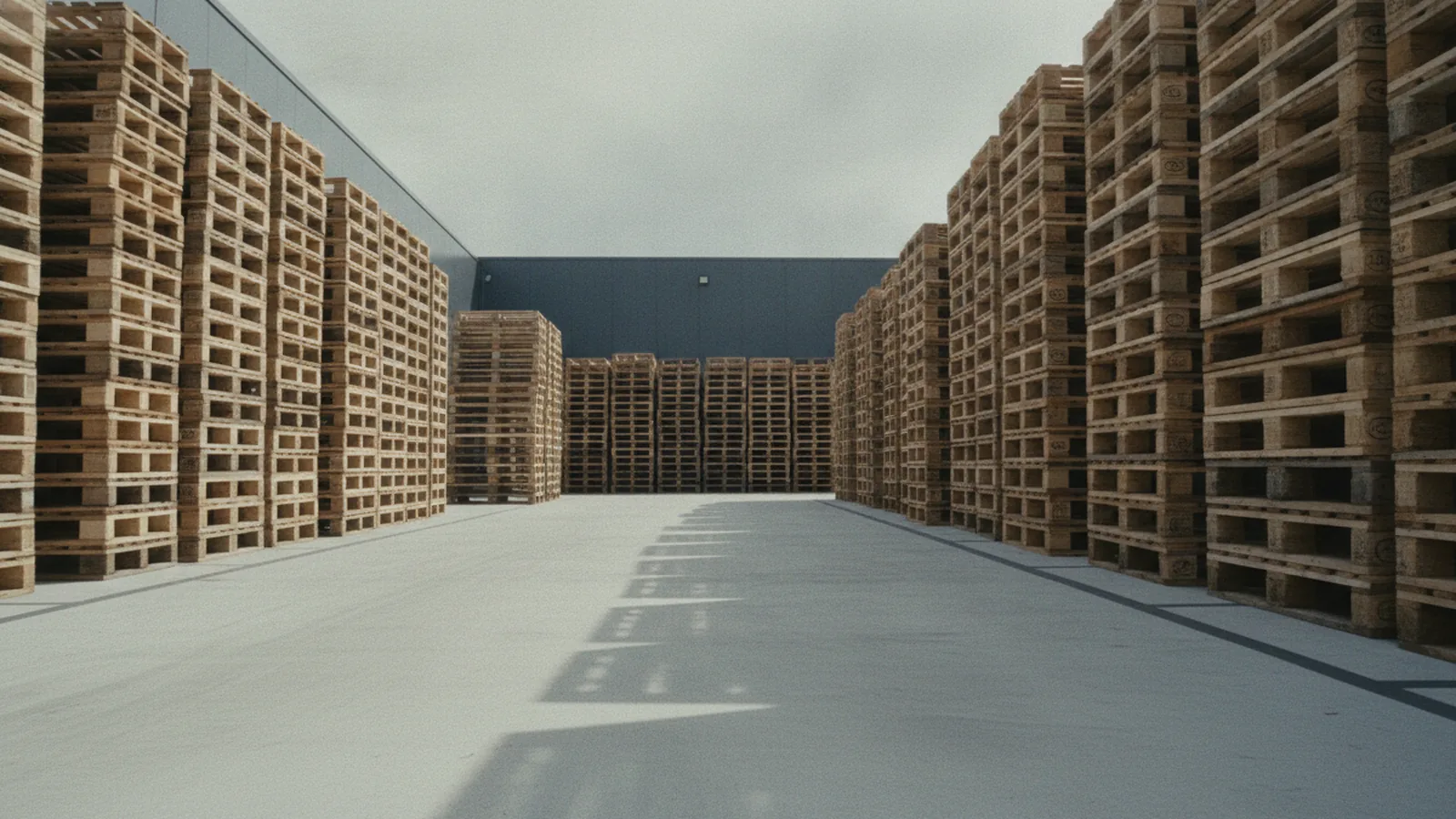
Understanding the pallet business
If you want a practical path to steady industrial sales, learn how to start a pallet business. Pallets move nearly everything in warehousing and shipping. When pallets are out of spec or missing, operations slow down fast.
Pallet demand is tied to logistics, retail, and manufacturing output. Even during softer periods, firms still replace damaged pallets and manage returns. That creates ongoing pallet market demand, especially for affordable, inspected units.
The industry also runs on tight margins and fast cycles. Profit margins in pallet business depend on buying right, sorting well, and selling consistently. Your biggest early skill is pallet sourcing and counting costs accurately.
- Track your landed cost per pallet, not just your purchase price.
- Plan for sorting time and repair time before you price inventory.
- Sell into repeat buyer demand to avoid one-off swings.
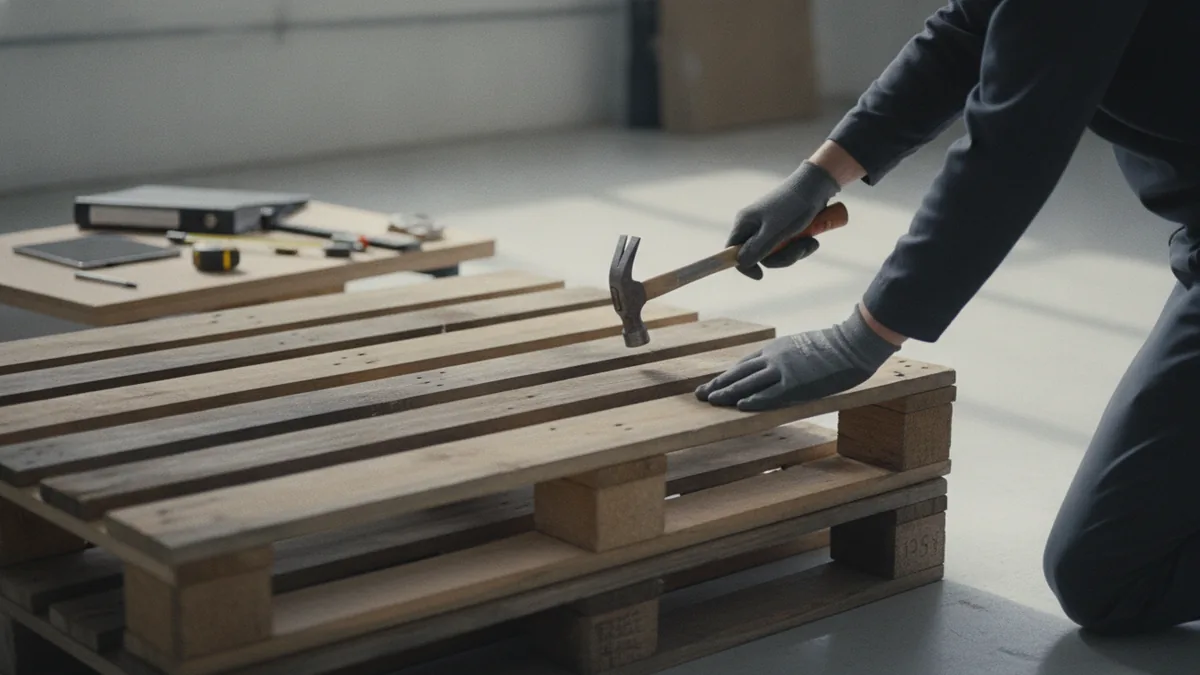
Types of pallet businesses you can start
You can build a pallet business in several ways, and each model needs different skills. Start by choosing what you can reliably source and move every week. Then align your setup and pricing to that reality.
Below are common models. Use this to decide how to start a pallet resale business, liquidation model, or manufacturing route.
- Resale: Buy used pallets, inspect them, and resell to local buyers.
- Liquidation: Buy mixed pallet lots from closeouts, then sort by quality and grade.
- Manufacturing: Build new pallets from lumber and fasteners.
- Recycling: Break down damaged pallets and remanufacture components or sell scrap.
- Flipping: Find undervalued lots, fix issues, and resell at a higher rate.
Resale works well when you have dependable pickup routes and a simple grading system. Liquidation fits if you can process variety quickly. Manufacturing fits if you have reliable wood supply and can keep your production consistent.
Recycling is often a steady volume game. You must know what scrap streams pay in your area. Flipping blends aspects of resale and repair, so your labor planning matters.
| Model | Best fit when | Main cost driver | Typical sales channel |
|---|---|---|---|
| Resale | You can source clean used pallets | Inspection and handling | Local warehouses, distributors |
| Liquidation | You can sort mixed lots fast | Labor for grading and repairs | Dealers, pallet brokers |
| Manufacturing | You can keep steady lumber inputs | Materials and shop time | Direct shippers, contracts |
| Recycling | You can access damaged volume | Processing and disposal fees | Scrap buyers, component buyers |
| Flipping | You find undervalued inventory | Repair time | Buyers seeking value |

Finding and sourcing pallets
If you want how to start pallet business operations, your sourcing strategy must come before your marketing. Build a repeatable loop for pickup, inspection, and sale. Without that loop, inventory management becomes chaotic.
Start with “free or low-cost” sources. Many new operators miss these because they assume every supplier wants cash upfront. You can often negotiate for pallets that would otherwise be discarded.
Low or no-cost pallet sources
- Retail and distribution backhauls: Ask about pallet returns and damaged stacks.
- Construction cleanouts: Some sites have scrap pallets they need removed quickly.
- Small manufacturers: Offer pickup and removal for mixed used pallets.
- Online classifieds: Watch for job lots sold by individuals.
- Local auctions: Search for pallet lots after plant closures.
- Carrier and logistics partners: Request “unloaded” or “swap” pallets.
When you source pallets, your first job is grading. Create a simple system like usable, repairable, and scrap. Then measure your throughput so you know what you can process per day.
Simple pallet inventory management rules
- Use bins by grade: Separate usable, repairable, and scrap pallets immediately.
- Count by type: Track by stringer count, size, and condition.
- Log repairs: Record which lots need how much fix work.
- Inspect before storage: Avoid mixing unknown damage into sellable stock.
These steps protect your profit margins in pallet business. If you undercount repair time, you will lose money on “good deals.”
If you are exploring how to start a wood pallet business, sourcing lumber becomes critical. You want stable pricing and fast delivery, because production depends on it.
Building relationships with suppliers and buyers
A pallet business runs on trust and speed. You should be the operator who shows up on time and pays fairly. That approach helps you get better lots and sell faster.
For customer relationship management, treat buyers like partners. Send photos of inventory condition when you can. Confirm pickup schedules and communicate grade categories clearly.
Who you should build relationships with
- Suppliers: retailers, manufacturers, warehouses, contractors, and brokers.
- Buyers: smaller distributors, logistics firms, and local shippers.
- Repair partners: if you can’t repair in-house, find a reliable shop.
To start a resale or liquidation model, focus on repeat buyers first. One steady weekly buyer can stabilize cash flow better than chasing new inquiries.
To start a pallet manufacturing business, relationships shift toward contract sales. Many shippers want predictable volumes and consistent specs. That means you must align your production schedule with their receiving cycles.
If your goal is how to start a pallet recycling business, you need scrap buyers and processing partners. Ask what grades and moisture levels they prefer. Then design your sorting workflow to hit those specs.
Creating a business plan (with pricing strategies)
Business plan creation is where most new operators either win or struggle. Your plan should include unit economics, not just goals. That includes pricing strategies tied to your actual costs and quality mix.
Start with a one-page financial model. Estimate your monthly volume by grade. Then assign a cost per unit for purchase, transport, labor, and repairs.
Build your pricing model
Use grade-based pricing instead of “one price for all.” For example, set separate rates for usable pallets and repairable pallets. Then add a repair surcharge only when you actually do the work.
Here is a practical way to think about selling price. First, calculate landed cost. Next, add a labor and risk buffer. Finally, apply a market adjustment based on local availability.
| Pricing input | What to include | Example |
|---|---|---|
| Landed cost | Purchase or removal fee, trucking, handling | |
| $7.50 each | ||
| Repair labor | Hours to fix, plus materials and tools wear | $2.00 each |
| Overhead buffer | Yard rent, insurance, utilities, admin | $1.00 each |
| Target profit | Cash margin you need to reinvest | $3.00 each |
| Suggested sale price | Total of the inputs | $13.50 each |
If you are figuring out how to start a pallet resale business, your pricing depends on inspection speed. If you are figuring out how to start a pallet liquidation business, your pricing depends on sorting time. If you are building, then how to start a pallet manufacturing business depends on yield from each lumber input.
Also plan your minimum order and delivery approach. Many buyers want consistent lead times. If you can’t hit them yet, offer pickup bundles to reduce your time loss.
Operational plan to include
- Yard layout: where each grade sits and how forklifts move pallets.
- Safety plan: equipment checks and safe stacking rules.
- Sales cadence: weekly outreach and weekly pickup scheduling.
- Seasonality: plan for higher damage after peak shipping months.
Marketing your pallet business
Marketing for pallets is direct and local. You are selling a logistics input, so buyers want quick answers and reliable inventory. Your goal is to be on the short list when a company needs pallets this week, not “someday.”
Start by building a buyer list of warehouse operators, distributors, and local shipping firms. Then contact them with specific value. Example: “We can deliver usable and repairable pallets weekly, with grade photos on request.”
Effective marketing channels
- Local outreach: call and email with grade categories and pickup timelines.
- Broker partnerships: dealers can move overflow when you have surges.
- Inventory demos: show yard inventory by grade when scheduling allows.
- Volume offers: give price breaks for recurring orders.
For how to start a pallet flipping business, marketing also includes speed. You may find undervalued lots, then fix and sell quickly. Buyers pay more when they trust your turnaround.
For how to start a pallet recycling business, your marketing is about scrap specs. Share what you process and what you can deliver consistently. Scrap buyers often care about moisture and part types.
Common pitfalls to avoid
The pallet business has a few repeat traps. The first is buying too much before you can sell it. That leads to storage costs and quality drift.
The second trap is mixing grades. If repairable pallets sit beside usable stock, your inventory management breaks down. Your inspection process must be consistent and fast.
Here are other common mistakes. Use them as a pre-flight checklist before you spend heavily.
- Underestimating labor: Repair time can double if damage is worse than expected.
- No grading system: Without it, you cannot price fairly or track profit.
- Overpromising delivery: Confirm pickup capacity before you commit to weekly drops.
- Ignoring market swings: When supply rises, prices fall. Your sourcing must react.
- Weak supplier contracts: If pickups depend on one person, your supply is fragile.
Finally, avoid chasing only “cheap pallets.” A low purchase price can still be a bad deal. You need a model where your costs, repair needs, and selling price line up.
If you approach it like a logistics operation, you improve your odds fast. Start with one model, master sourcing and grading, then scale. That path works whether you are learning how to start a pallet resale business or building a wood pallet manufacturing shop.
Frequently asked questions
- How do I start a pallet business with no experience?
- Start with resale or flipping so you can learn grading and demand fast. Secure reliable local pickup sources, then price by usable vs repairable vs scrap. Focus on repeat buyers before scaling volume.
- How to start a pallet resale business profitably?
- Use a simple inspection system and calculate your landed cost per pallet. Price by grade, not by an average. Invest time in fast sorting so you can turn inventory weekly.
- How to start a pallet liquidation business?
- Expect mixed-condition loads, so build a sorting workflow before you buy. Set clear grade categories and repair rules. Track labor per lot so your pricing stays profitable.
- How to start a pallet manufacturing business?
- Begin with stable inputs for lumber and fasteners, then define product specs buyers will accept. Plan your production schedule around consistent quality. Many early sales start with direct local shippers and contract buyers.
- How to start a pallet recycling business?
- Focus on a steady stream of damaged pallets and understand scrap buyer specs. Sort for the material types you can process reliably. Track processing costs and disposal fees so you know your true margin.
- What are the biggest mistakes when learning how to start pallet business operations?
- Overbuying before sales, skipping grade separation, and underestimating repair labor are the most common issues. Another risk is relying on one supplier without backup pickups.
Related reading

Start a Mobile Drug Testing Business (Without a Lab)
Build a mobile testing service with sound training, lab links, and clear pricing.

Start a Business with a Problem Worth Solving
Turn a useful idea into a business with clear steps, sound research, and steady resolve.

Loft Conversion Timelines — What Affects the Build
Typical build times range from four to twelve weeks, plus planning and setup.