How to Write an Effective Branding Statement
Follow a simple process to write a clear branding statement for your brand identity.

Understanding branding statements
A branding statement is a short message that tells people what you do, who you help, and what makes you different. It acts like a north star for your brand identity. You can use it for both personal branding and business branding.
Think of it as the version of your brand that fits on a sticky note. For most people, that means a few sentences that are clear, specific, and easy to repeat. This is also the core of branding statement creation, because you are defining the “why you” in simple language.
In practice, it helps you stay consistent across your website, your pitch, and your conversations. When your statement is solid, your professional visibility improves because people quickly understand your value.
- Clear: People can repeat it back in their own words.
- Specific: It mentions your area and your approach.
- Distinct: It signals how you are different.

Why a branding statement matters
An effective branding statement can separate you from competitors who sound similar. Many experts describe services, but fewer describe the outcome they drive. Your statement helps the right people recognize you faster.
It also reduces decision fatigue when you write. When you know your value proposition and target audience, you spend less time guessing what to say next. That matters when you update your site or refine your marketing message.
For personal branding, a strong statement can make networking smoother. You spend less time explaining your work, because the message does that for you. The result is often more relevant leads and better conversations.
For businesses, it also supports internal alignment. Teams can use the statement to guide product messaging, hiring language, and sales scripts. When everyone points at the same idea, your branding strategy feels more unified.
- Sharper positioning for the right audience
- Faster message clarity in pitches and emails
- More consistent brand identity across channels
The core parts of a strong branding statement
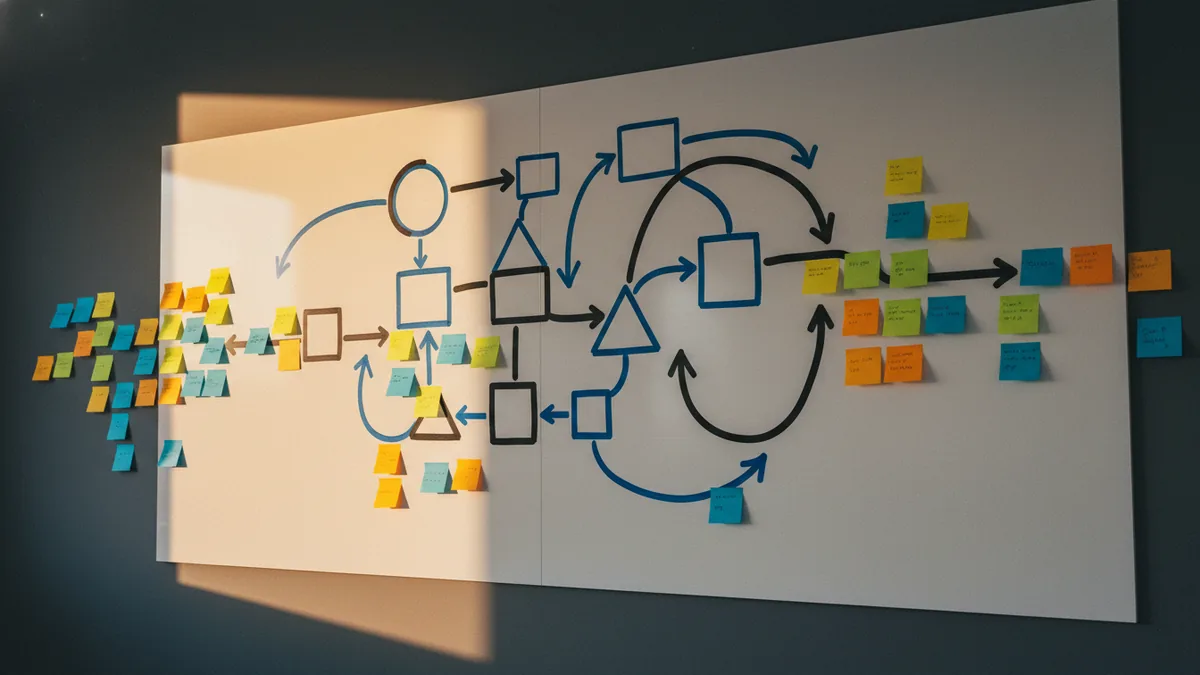
A strong branding statement includes a few specific ingredients. Start with your area of expertise, then connect it to a value proposition. Next, name your target audience so people can self-select quickly.
Finally, add unique qualities that explain your unique approach. This is where you clarify your unique selling proposition in plain language. You do not need buzzwords. You need a real difference that you can back up with examples.
Here is a simple structure you can adapt. It is not the only way, but it gives you a clean starting point.
| Element | What it answers | Example prompts |
|---|---|---|
| Area of expertise | What do you do? | “I help teams with…” |
| Value proposition | What benefit do you deliver? | “So they can…” |
| Target audience | Who is this for? | “For founders who…” |
| Unique qualities | Why you, not others? | “Using my method of…” |
As you write, keep the language grounded. If you cannot explain it to a smart friend in 30 seconds, refine it. Use the tone your audience trusts, not a tone that sounds impressive to everyone.

Steps to write a branding statement
If you want to know how to write a branding statement, start by collecting raw input. Then turn it into clear sentences that match your audience. This process is the heart of effective branding statement creation.
Begin with a quick discovery pass. Write down what you do, who it is for, and what result you deliver. Then list three specific reasons you are credible and helpful.
- Define your expertise in one line. Name the work you do most often. Keep it specific enough that people can picture your role.
- Describe the outcome, not just the service. Convert features into results. Use numbers when you can, like “reduce onboarding time by 20%.”
- Pinpoint your target audience. Describe their stage, constraints, or situation. Avoid broad groups like “everyone.”
- Write your value proposition in plain words. Explain why your approach works. If you have a repeatable method, mention it.
- Add unique qualities that competitors lack. Choose one or two differentiators. Keep them grounded in how you work.
- Draft 2–3 short versions. Test different tones. One can be warm, one can be direct, and one can be more formal.
- Refine for clarity and recall. Read it aloud. Aim for a message people can remember after one listen.
Here are two example drafts to show the difference. Version A is service-heavy. Version B is audience and outcome-heavy.
- Less effective: “I offer marketing services for businesses.”
- More effective: “I help early-stage founders grow through focused positioning and practical messaging. My work is tailored for teams with limited time who need clear direction.”
Once you like the draft, treat it as a working document. Then you can also use it when you prepare a branding proposal for a client. The goal is to keep your messaging consistent from the first call to the final deck.

Tips for crafting a statement that actually converts
Many people struggle because they try to sound broad or “for everyone.” Instead, aim for a narrow promise that fits a real audience. That is how to write a branding strategy that stays consistent when you scale your marketing efforts.
Use language your audience uses. If your audience talks about “onboarding” or “pipeline,” reflect that. If they worry about “cash flow” or “time-to-hire,” address those directly. This reduces jargon friction.
Also, remove empty claims. Replace phrases like “world-class” with something you can show. A good statement can reference a result, an approach, or a tangible deliverable.
- Keep it short: Often 2–4 sentences is enough.
- Use one primary promise: Pick the main outcome.
- Show your method: Mention how you deliver results.
- Validate with proof points: Add one credibility detail if you have room.
To sharpen tone, draft for two audiences. First, write for a decision-maker. Second, write for a practitioner or evaluator. Then blend the version that still sounds clear to both.
Finally, stress-test your statement with questions. Does it explain what you do without extra context? Does it help the right people self-identify? Does it make it obvious why someone should choose you now?
Where to use your branding statement
Your branding statement should be visible where people decide whether to trust you. Start with your website homepage. Put a shorter version near your hero section, and keep your full statement in your about page or brand notes.
Next, use it in your professional bio and pitch. That can include your email signature and your LinkedIn summary. When you write your outreach, reference the same promise in one or two lines so your messaging stays aligned.
For businesses, your statement also belongs in your sales process. It can guide your first call script, your discovery questions, and your follow-up email. This consistency helps your brand identity feel intentional.
When you create a branding proposal, paste your statement near the opening. It sets expectations for what the project will deliver. Then it becomes the anchor for your strategy, timeline, and deliverables.
- Website: Hero section, about page, and service pages
- Bios: LinkedIn, speaker bios, and conference profiles
- Sales materials: pitch decks, proposals, and one-page summaries
- Everyday messaging: email intros, networking scripts, and follow-ups
If you update your statement later, update the places that matter most first. Start with your homepage, then your about page, then your bios. Small changes there can have an outsized impact on who finds and trusts you.
Frequently asked questions
- What is a branding statement?
- A branding statement is a short message that defines what you do, who you help, and what makes your approach unique. It guides your brand identity and messaging.
- How do I write a branding statement that sounds clear and memorable?
- Use 2–4 sentences that name your expertise, your outcome, and your target audience. Then add one or two grounded differentiators in plain language.
- What should I include in branding statement creation?
- Include your area of expertise, your value proposition, your target audience, and your unique qualities. Avoid jargon and vague claims.
- How long should an effective branding statement be?
- Most work well at about 2–4 sentences. If it feels long, cut it until someone can repeat it after one read.
- Where should I use my branding statement?
- Put it on your website about section, your professional bio, and your pitch or proposal materials. Use the same promise in key outreach messages too.
- What if my business or personal brand changes over time?
- Revisit your statement when your services, audience, or positioning shifts. Update your homepage and bio first, then your proposal and outreach templates.
Related reading

Start a Mobile Drug Testing Business (Without a Lab)
Build a mobile testing service with sound training, lab links, and clear pricing.

Start a Business with a Problem Worth Solving
Turn a useful idea into a business with clear steps, sound research, and steady resolve.

Loft Conversion Timelines — What Affects the Build
Typical build times range from four to twelve weeks, plus planning and setup.