How to Start a Tire Business: Equipment, Licenses, and Marketing
A practical guide to starting a tire shop or recycling business, with costs, equipment, licenses, and marketing tips.
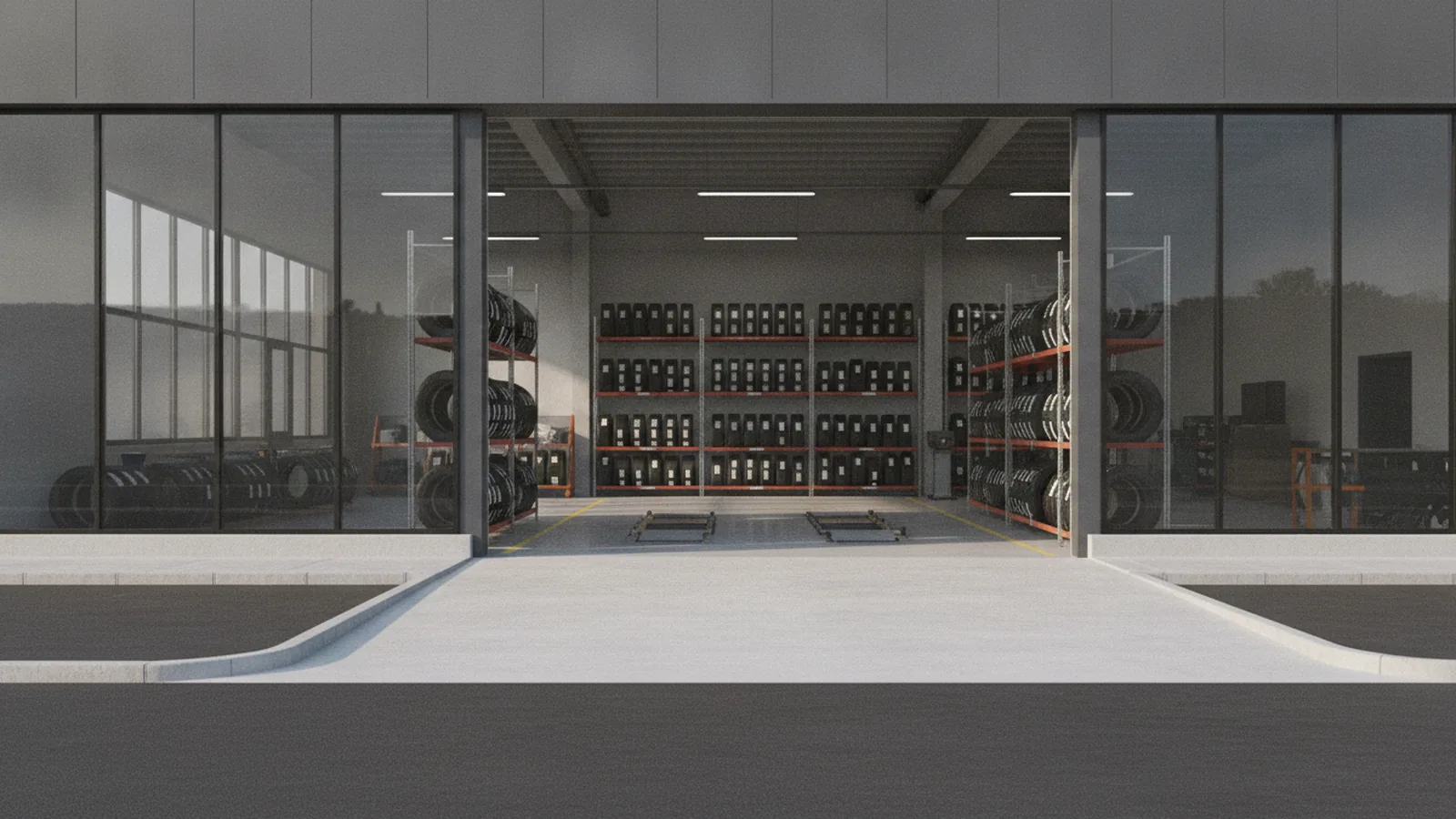
Choosing the right business model for your tire shop or recycling plan
The quickest way to answer “how to start a tire business” is to decide what you will sell and what work you will do. Most owners start with a tire repair shop model. Others build around tire recycling, where you focus on buying used tires, sorting them, and sending them into approved reuse paths.
Start by choosing between operating independently or buying into a franchise. Independence gives you more control over pricing, branding, and day-to-day rules. A franchise can reduce guesswork because the brand often provides playbooks for store setup, marketing, and supplier contacts.
Think through the control you want. If you care about local marketing voice and service style, independent can fit better. If you want structured support and faster ramp-up, franchising may help, even when your monthly fees are higher.
- Independent shop: you set branding, pricing, and vendor terms.
- Franchise shop: you follow brand standards for service and marketing.
- Recycling path: you manage sorting, storage, and tire disposal compliance.
- Wholesale path: you focus on inventory flow and B2B relationships.

Finding a location with the space and access a tire business needs
When you plan how to start a tire shop business, location is not just about visibility. Tires take space, and customers want quick access to service bays. Look for a commercial site near main roads, with easy turn-in and clear parking or pull-through lanes.
For operations, you need room for service work and for tire inventory management. Many owners underestimate storage needs at opening. Used tires, new tires, wheels, and seasonal inventory can fill your yard fast, especially during peak demand.
Before you sign a lease, ask the landlord about power, drainage, and waste handling. Tire work often needs stable electrical capacity for shop tools and lighting. If you plan indoor storage, confirm ceiling height and door width for tire carts and pallets.
- Measure bay size, door width, and turning radius for trucks.
- Check electrical load capacity and backup options for key tools.
- Confirm your waste plan for tire scraps and packaging.
- Walk the site during business hours to test customer flow.

Understanding licensing, permits, and tire disposal regulations
Legal steps are one of the most important parts of how to start a tire repair business. Requirements vary by city and state, so use your local licensing office as the first stop. At minimum, plan for business registration, sales tax permits, and zoning approval for a service or retail use.
Tire handling also brings special rules. Tire disposal regulations often require approved hauling and documented drop-off or recycling routes. If you store used tires on-site, you may need a permit that covers storage practices and fire risk controls.
If you are learning how to start a tire recycling business, pay extra attention to the waste and environmental side. Many jurisdictions require proof of a permitted disposal or recycling partner. You may also need special permits for how you collect, store, and transport tires before processing.
Insurance can be part of compliance too. Business insurance for tire shops can be required by landlords and can be expected by suppliers for credit terms. Build your plan around the coverage limits you will actually need, not the minimums you can find online.
- Business registration: entity setup and local tax accounts.
- Zoning: confirm tire-related work is allowed.
- Waste and disposal: meet tire disposal regulations.
- Storage permits: if you hold used tires on-site.
- Proof of partners: recycling or disposal vendors may be required.
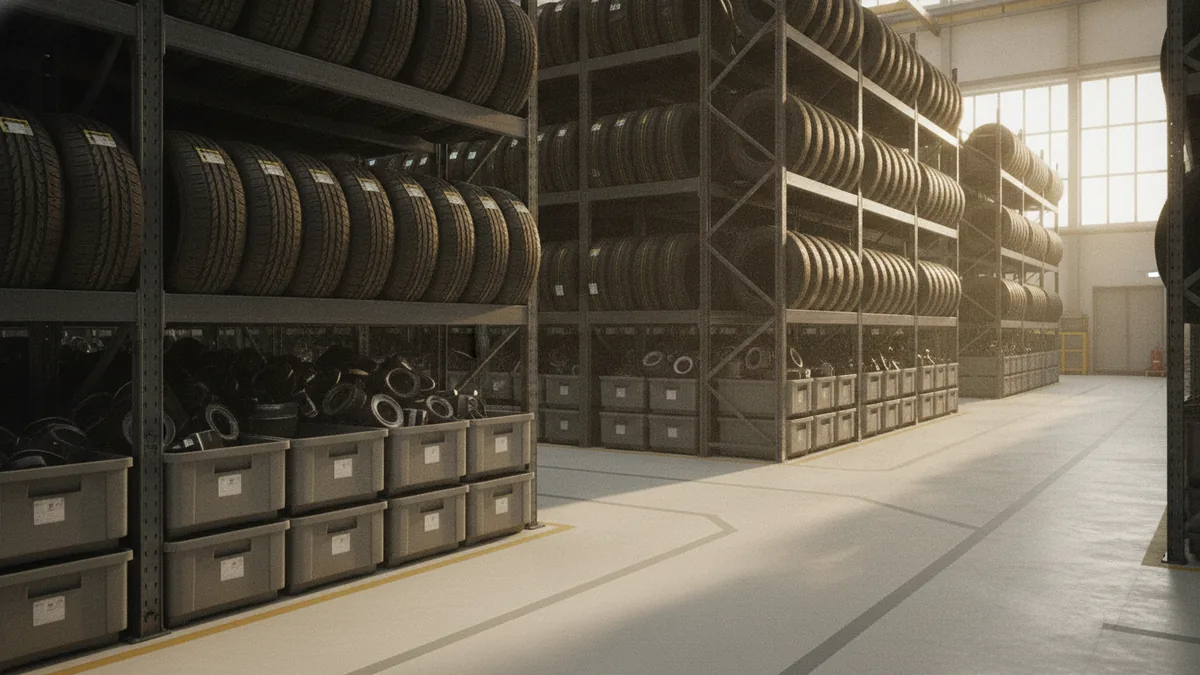
Budgeting startup costs: rent, licensing, inventory, and insurance
To budget accurately, map out your first 90 days. When people ask how to start a tire business, they often focus on equipment only. In reality, rent, licensing, insurance, and initial inventory can drive cash needs just as much.
Expect to pay for commercial lease deposits and early rent. Licensing and permits can include business registration, shop permits, and any required storage approvals. Insurance for tire shops typically includes general liability and property coverage, and it may include workers’ compensation if you hire employees.
Inventory is the other big lever. Your tire inventory management plan should match your target customer demographics and the tire types you will sell most often. For example, a shop near suburbs may need strong coverage in passenger tires. A location near commercial routes may need more truck and fleet inventory.
Use a simple budget model to estimate early cash burn. Then add a cushion for slow weeks and supplier lead times.
| Startup cost area | What to budget for |
|---|---|
| Lease & setup | deposit, first month rent, basic repairs, signage |
| Licensing & permits | business registration, zoning, storage or disposal approvals |
| Insurance | general liability, property, workers’ comp (if needed) |
| Equipment | tire changer, wheel balancer, lifts (if used), tools |
| Initial inventory | tires in priority sizes, wheels, valves, shop supplies |
| Working capital | payroll, utilities, maintenance, vendor minimums |
Essential equipment for tire work, balancing, and safe storage
The fastest way to plan tire shop equipment is to list your services and then map tools to each job. If you plan tire changes and balancing, you will need a tire changer and a wheel balancer as core tools. If you plan repairs like puncture fixes, add repair kits and gauges suited to the tire types you handle.
Many owners also plan for power reliability and efficient workflow. Some shops add a generator or backup power so key equipment stays usable during outages. If you work with large wheels, consider lift help and strong floor space for carts and staging.
Storage systems matter more than people think. You need racks or bins for small parts like stems and weights. You also need a safe way to store tires you are selling and tires you are collecting for recycling. Good organization improves speed at the counter and reduces handling damage.
One more planning detail: nitrogen conversion. Many customers ask about tire nitrogen because some marketing claims it lasts longer. If you decide to use nitrogen conversion, budget for a nitrogen system, safe handling procedures, and clear service policies. Train staff to explain benefits in plain terms and to follow your local rules for gas handling.
- Tire changer: mounts and dismounts tires safely.
- Wheel balancer: helps reduce vibration and returns.
- Air compressor system: powers inflation and shop tools.
- Storage systems: racks for parts and labeled tire zones.
- Backup power: optional, but helpful for outage-prone areas.
- Nitrogen setup: only if it matches your customer needs.
Staffing your tire business and planning ongoing training
Staffing is a major factor in how to start a tire shop business without service delays. You usually need at least one skilled mechanic who can mount, balance, and handle common repair jobs. You may also need a front desk person for quotes, scheduling, and payment processing.
When you staff, think about coverage across peak times. Weekends and seasonal changes can create short spikes in demand. Plan schedules so you do not rely on one person for everything. If you are hiring new techs, set a training path for safe tool use and customer communication.
For a tire recycling plan, you also need people who can handle sorting and safe storage. Tire work includes heavy lifting and careful staging to reduce trip hazards. If you process tires on-site, you will also need clear procedures for recordkeeping and partner drop-offs.
Build training around both quality and speed. Quality work reduces re-dos and customer complaints. Speed helps you grow, but only if safety standards stay consistent.
- Define roles: mechanic, customer service, inventory support.
- Set a training checklist for tools, safety, and service notes.
- Schedule practice runs for balancing and repair workflows.
- Track basics: comebacks, rework reasons, and time per job.
Marketing and branding strategies that bring local customers
Your marketing plan should start before you open. Local marketing for tire businesses works best when customers can quickly find you, trust you, and understand what you offer. Build a simple online presence with clear service pages, hours, and contact info. Then make sure your phone number and location match across listing sites.
Target your marketing around what your area needs. Use market research for tire shops to learn your common tire sizes, seasonal patterns, and the main vehicle types customers drive. This helps you shape your promotions and your initial tire inventory management choices.
Offline marketing still matters. Run flyers or mailers to nearby neighborhoods and businesses that buy service regularly. Consider local sponsorships, like school sports teams or neighborhood events, where your brand stays visible.
Customer reviews are one of the strongest assets you will build. Ask for feedback after completed repairs or balances, and respond to issues quickly and politely. Testimonials also help when customers compare options and choose the shop with the clearest trust signals.
- Local SEO: keep your listing details consistent.
- Promos that fit seasons: rotations and replacement offers.
- Review strategy: ask for reviews after service.
- Targeted outreach: fleet contacts for wholesale or supply.
- Clear branding: show the services you do well.
If you are also learning how to start a tire wholesale business, tailor marketing to buyers. B2B customers care about delivery reliability, pricing, and inventory availability. Use a quote process that is fast, accurate, and repeatable.
For tire recycling, marketing is different. You will sell to scrap buyers, municipalities, and approved partners. Focus on your compliance readiness, storage discipline, and documented processing steps.
FAQ: common questions when planning how to start a tire business
How much money do I need to start a tire shop?
It depends on lease costs, equipment choices, and how much tire inventory you stock. Many first-time owners plan a budget that includes deposits, initial tires, and at least several months of cash buffer.
Do I need special permits for tire disposal?
Often yes. Tire disposal regulations can require approved hauling and documented destinations, especially if you store used tires on-site.
What equipment is essential for tire repair and balancing?
A tire changer and wheel balancer are core. You also need a reliable air setup, repair tools, and storage systems for parts and tires.
Is it worth offering nitrogen conversion?
It can be worth it if your local customers ask for it. If you offer nitrogen conversion, budget for the system and train staff to explain the service clearly.
Can I start small with one bay and expand later?
Yes, if your lease and workflow support it. Build a service menu that matches your initial tools, then expand as demand grows.
How do I market a new tire shop before opening?
Start with a clean online presence and local listings. Collect early review-style feedback from friends and partners, and plan seasonal offers aligned with your target customers.
Frequently asked questions
- What are the essential steps to start a tire business?
- Choose a business model, secure a location with the right space, understand permits and tire disposal rules, then budget equipment and startup costs. Finally, hire your team and market locally before demand peaks.
- How do I start a tire repair business?
- Focus on shop setup for mounting and balancing, then add repair tools and safe storage. Make sure you meet local licensing and any disposal requirements for used materials.
- How do I start a tire recycling business?
- You will need compliant storage practices and approved routes for tire disposal or processing. Set up a workflow for sorting, recordkeeping, and documented partner pickups.
- What permits or regulations apply to tire shops?
- Requirements vary by area, but many places require business registration, zoning approval, and specific rules for storage and tire disposal. Contact your local licensing office and your waste partner early.
- What equipment is required for a tire shop?
- A tire changer and wheel balancer are core. You also need an air system, repair tools if you offer fixes, and strong storage systems for tires and small parts.
- How can a new tire shop get customers quickly?
- Set up local SEO and accurate listings, run seasonal local ads, and build reviews after service. Offer promotions that match what drivers in your area actually need.
Related reading

Start a Mobile Drug Testing Business (Without a Lab)
Build a mobile testing service with sound training, lab links, and clear pricing.

Start a Business with a Problem Worth Solving
Turn a useful idea into a business with clear steps, sound research, and steady resolve.

Loft Conversion Timelines — What Affects the Build
Typical build times range from four to twelve weeks, plus planning and setup.